

AWS Big Data Blog Official Big Data Blog of Amazon Web Services
- dbt and Amazon Redshift Data Sharing: Multi-cluster pipelines without moving a byte
 by Neela Kulkarni on October 15, 2026 at 6:01 pm
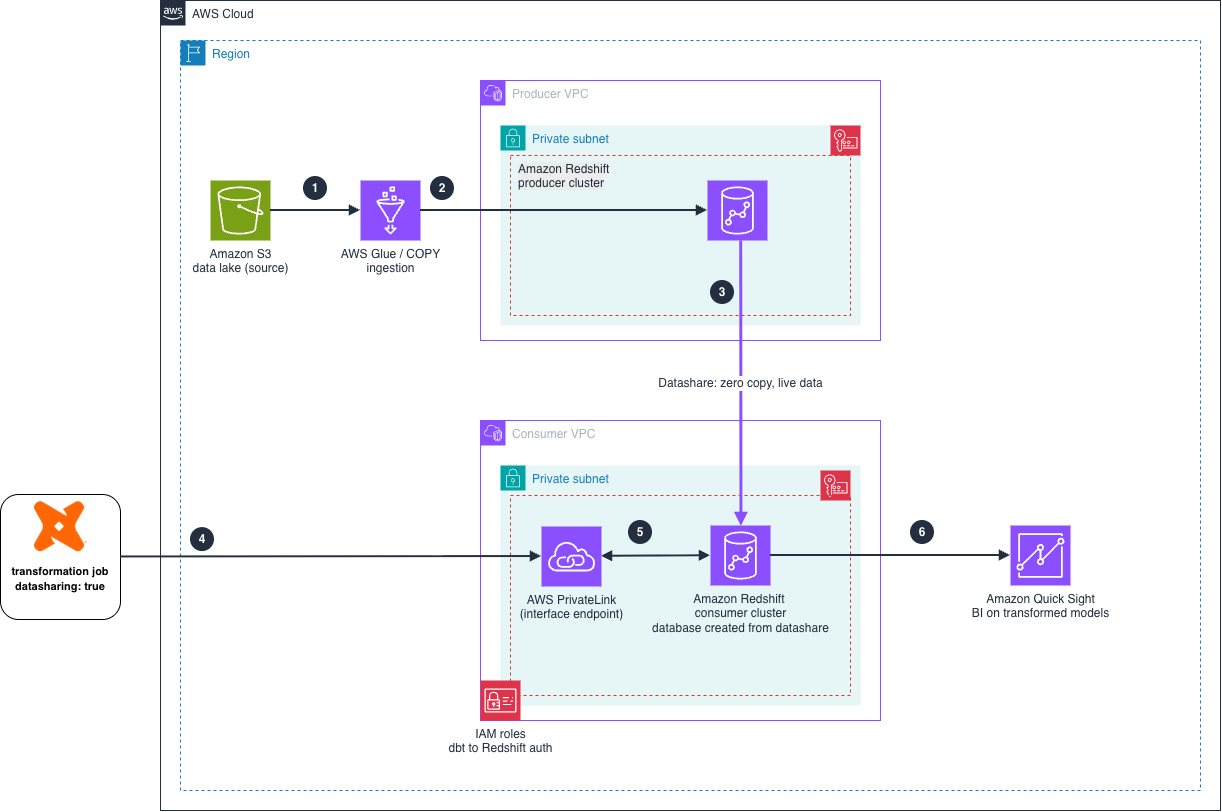
Learn how to set up Amazon Redshift Data Sharing between a producer and consumer cluster and use dbt Cloud to transform the shared data into analytics-ready models, with live, zero-copy access and no ETL between clusters.
- Resolving concurrent write conflicts for Apache Iceberg tables in Amazon Redshift
 by Sanjay Devireddy on October 13, 2026 at 8:16 pm
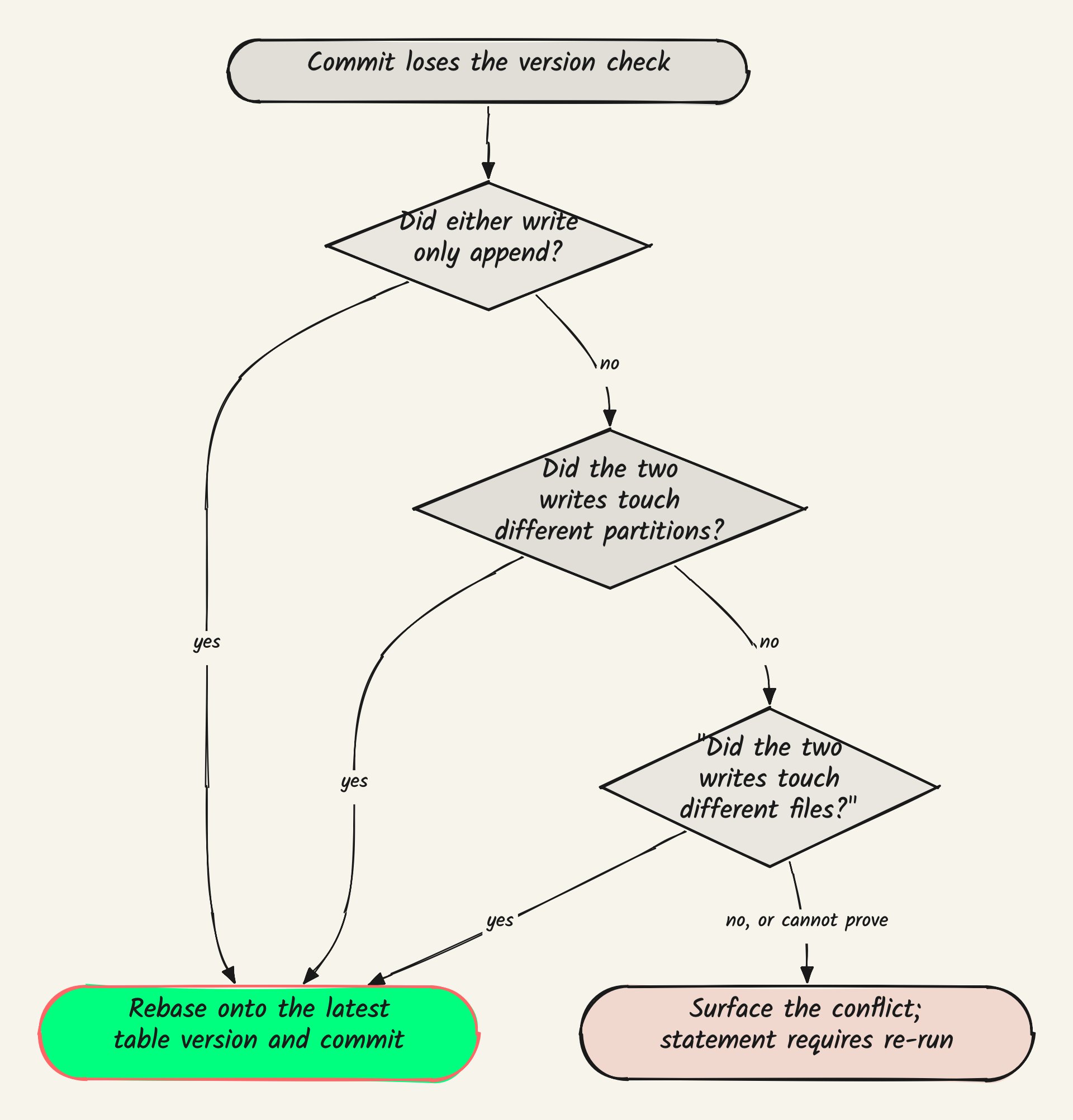
Amazon Redshift now automatically resolves many concurrent writes to Apache Iceberg tables that don’t actually overlap, committing changes that previously failed and had to retry. Learn why these writes conflict, how the engine rebases non-overlapping ones across operation, partition, and file checks, and the throughput gains it delivers.
- Bring data quality to your Amazon EMR workloads with Amazon EMR Data Quality built on AWS Glue Data Quality
 by Mert Hocanin on October 12, 2026 at 11:40 pm
AWS Glue Data Quality is now available natively on Amazon EMR, bundled in AWS runtime for Apache Spark (emr-spark-8.1.0). Write the same DQDL rulesets you use in AWS Glue directly in your Amazon EMR Spark jobs. This post walks through two patterns: lightweight inline validation and an Apache Iceberg Write-Audit-Publish workflow with managed rulesets.
- Build cross-account streaming pipelines with the Amazon Kinesis Producer Library and Kinesis Client Library
 by Charishma Makineni on October 12, 2026 at 3:48 pm
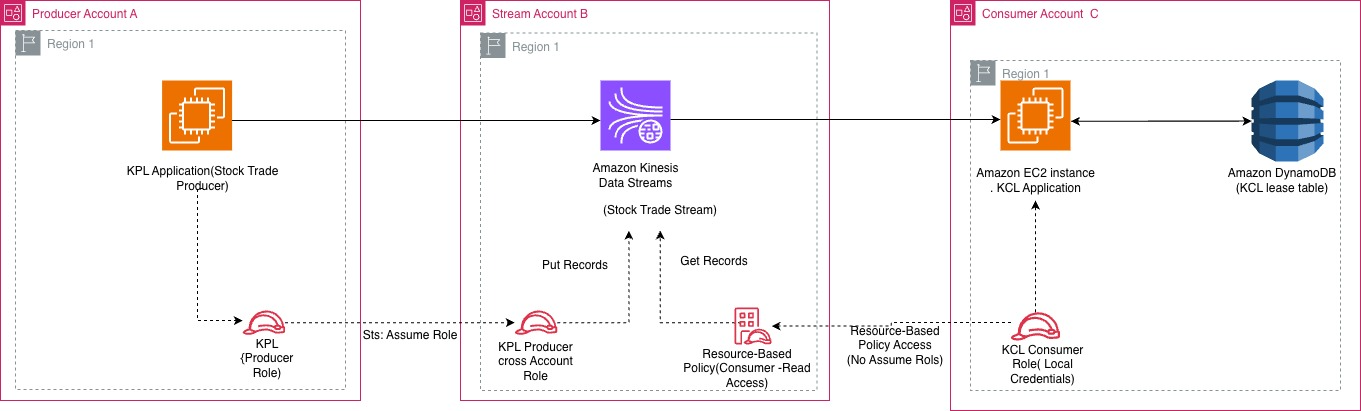
Learn how to build an enterprise-scale cross-account streaming pipeline with Amazon Kinesis Data Streams using the Kinesis Producer Library (KPL) and Kinesis Client Library (KCL) across three separate AWS accounts, with resource-based policies, cross-account IAM, and a shared customer managed AWS KMS key for maximum security isolation.
- Monitoring MWAA-orchestrated ETL pipelines with Amazon OpenSearch Service
 by Anupa Bhattacharyya on October 6, 2026 at 4:17 pm
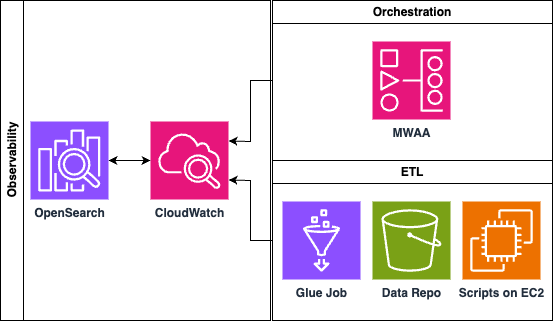
Troubleshooting a multi-service, MWAA-orchestrated ETL pipeline often means hunting across scattered Amazon CloudWatch log groups. This post shows how to centralize your ETL logs in Amazon OpenSearch Service and query them in plain language through an MCP server on Amazon Bedrock AgentCore, so you find root causes faster.
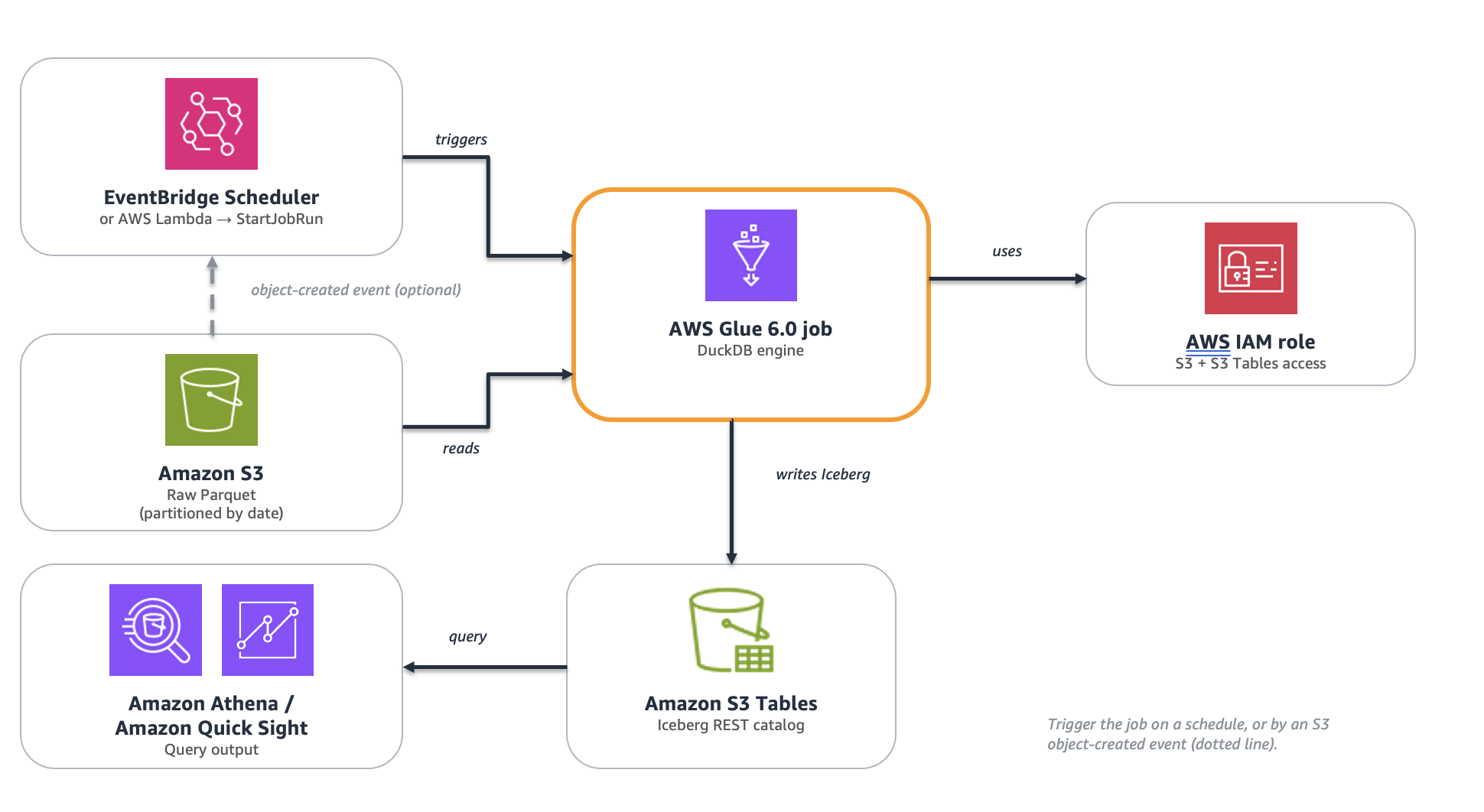
- Cost-effective ETL with DuckDB and Amazon S3 Tables on AWS Glue
 by Bezuayehu Wate on October 6, 2026 at 4:13 pm
Learn how to pair DuckDB with AWS Glue 6.0 to run SQL-centric ETL on a single worker, reading Parquet from Amazon S3 and writing Apache Iceberg tables to Amazon S3 Tables. This post walks through a complete, runnable example and compares measured cost and runtime against an equivalent Apache Spark job on the same Glue runtime.
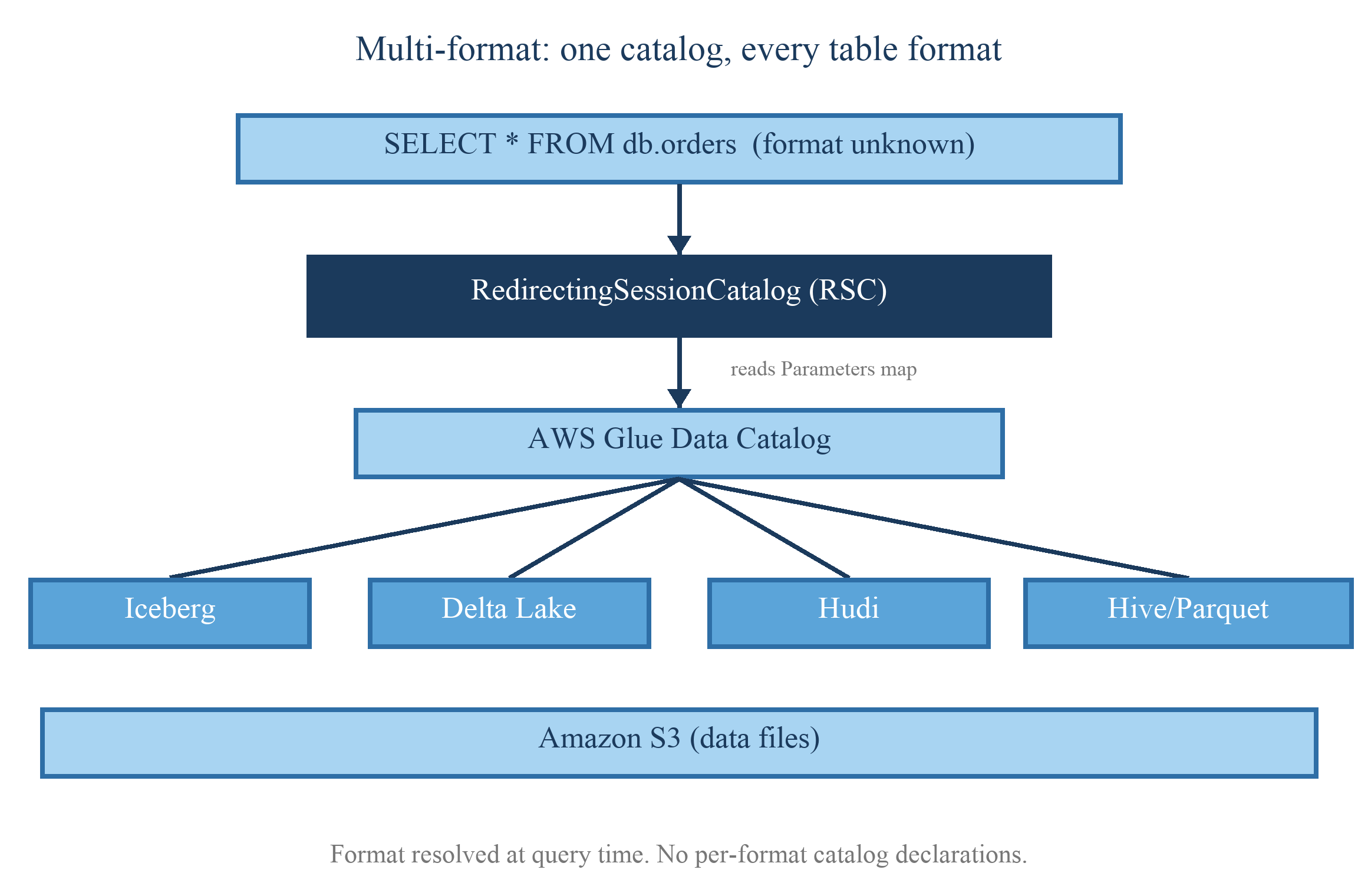
- Query across accounts and table formats with multi-catalog in Amazon EMR
 by Suthan Phillips on October 6, 2026 at 4:05 pm
Amazon EMR 8.1.0 adds multi-catalog support through the RedirectingSessionCatalog, so you can query Iceberg, Delta Lake, Hudi, and Hive tables through a single catalog and join data across AWS accounts without copying it. This post shows how to put these capabilities into practice on Amazon EMR Serverless.
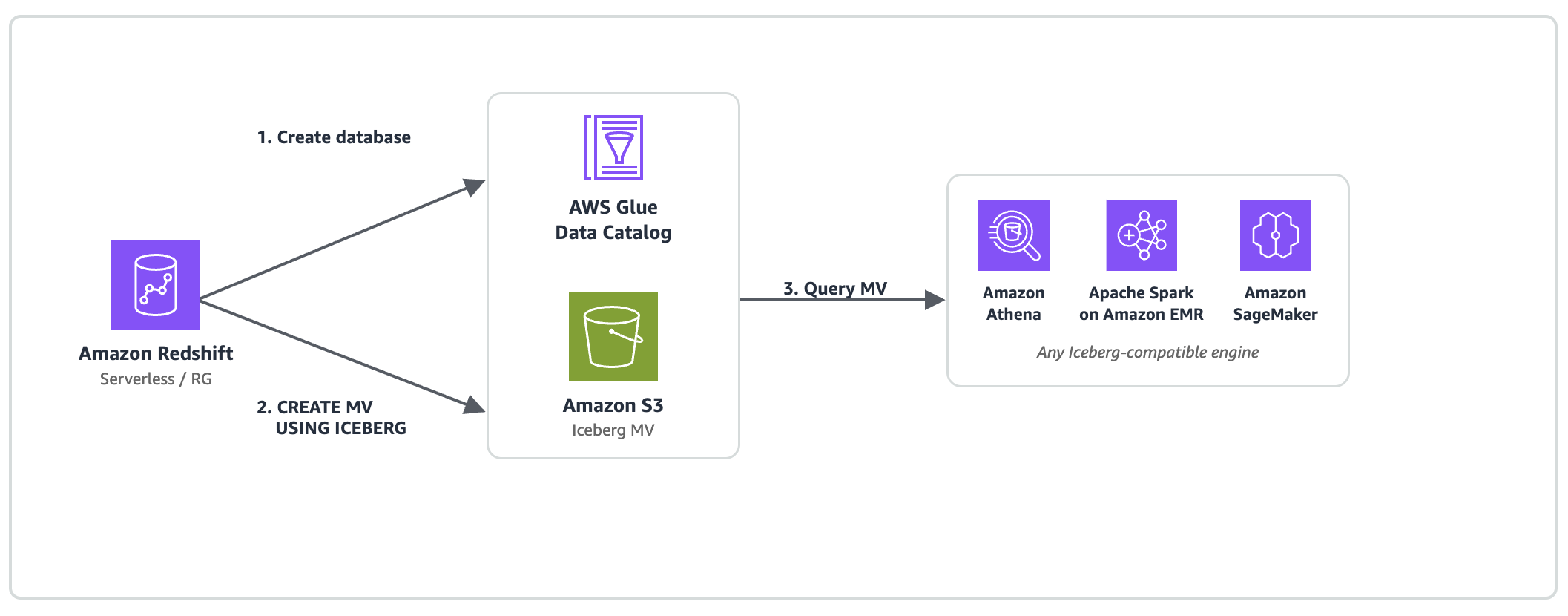
- Materialize once, query anywhere: Introducing Iceberg materialized views in Amazon Redshift
 by Sudipta Bagchi on October 5, 2026 at 9:41 pm
Amazon Redshift now supports Iceberg materialized views. Compute an aggregation once in Amazon Redshift and store the result as a standard Apache Iceberg table in Amazon S3, queryable by Amazon Athena, Apache Spark, Amazon SageMaker, and AWS Glue. This post covers use cases, incremental refresh, and a step-by-step getting-started guide.
- Run an automated operational review with the Amazon Redshift MCP server
 by Sidhanth Muralidhar on October 5, 2026 at 3:44 pm
Amazon Redshift automates much of its own tuning, but periodic operational reviews still pay off. Learn how the review_cluster tool in the open-source Amazon Redshift MCP server runs a full cluster diagnostic from one natural-language request, evaluating 12 diagnostic areas and returning prioritized, documentation-linked recommendations in minutes.
- Optimize consumer rebalancing on Amazon MSK with next generation protocol
 by Yashika Jain on October 1, 2026 at 4:43 pm
The KIP-848 consumer protocol in Apache Kafka 4.0 redesigns consumer group rebalancing to eliminate stop-the-world pauses. This post explains how the consumer protocol works on Amazon MSK, how to enable it on MSK Standard and Express brokers, and how to diagnose and resolve slow rebalancing issues.
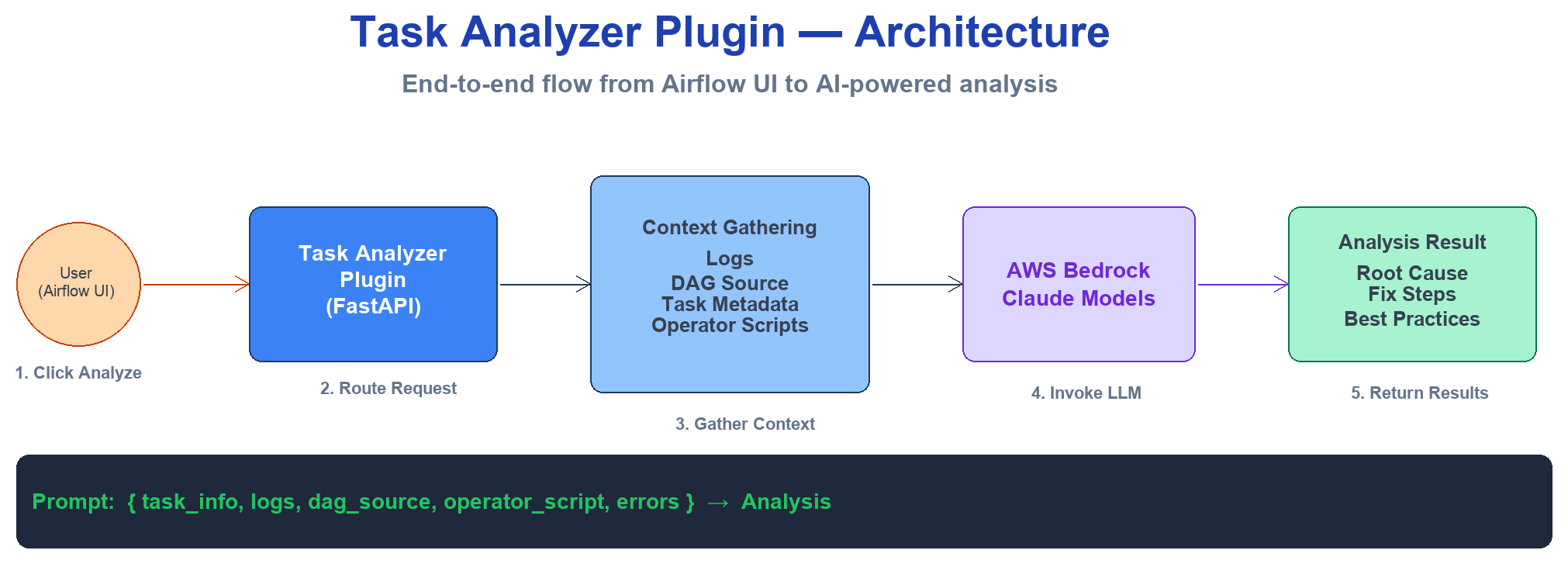
- Building an LLM-powered DAG failure analysis plugin for Amazon MWAA
 by Sushant Samantaray on September 29, 2026 at 4:17 pm
Debugging Apache Airflow DAG failures across services like AWS Glue, Amazon EMR, and Amazon Athena is slow and manual. In this post, we show you how to build a custom Airflow plugin that integrates with Amazon Bedrock to automatically analyze DAG task failures and deliver on-demand root cause analysis on Amazon MWAA.
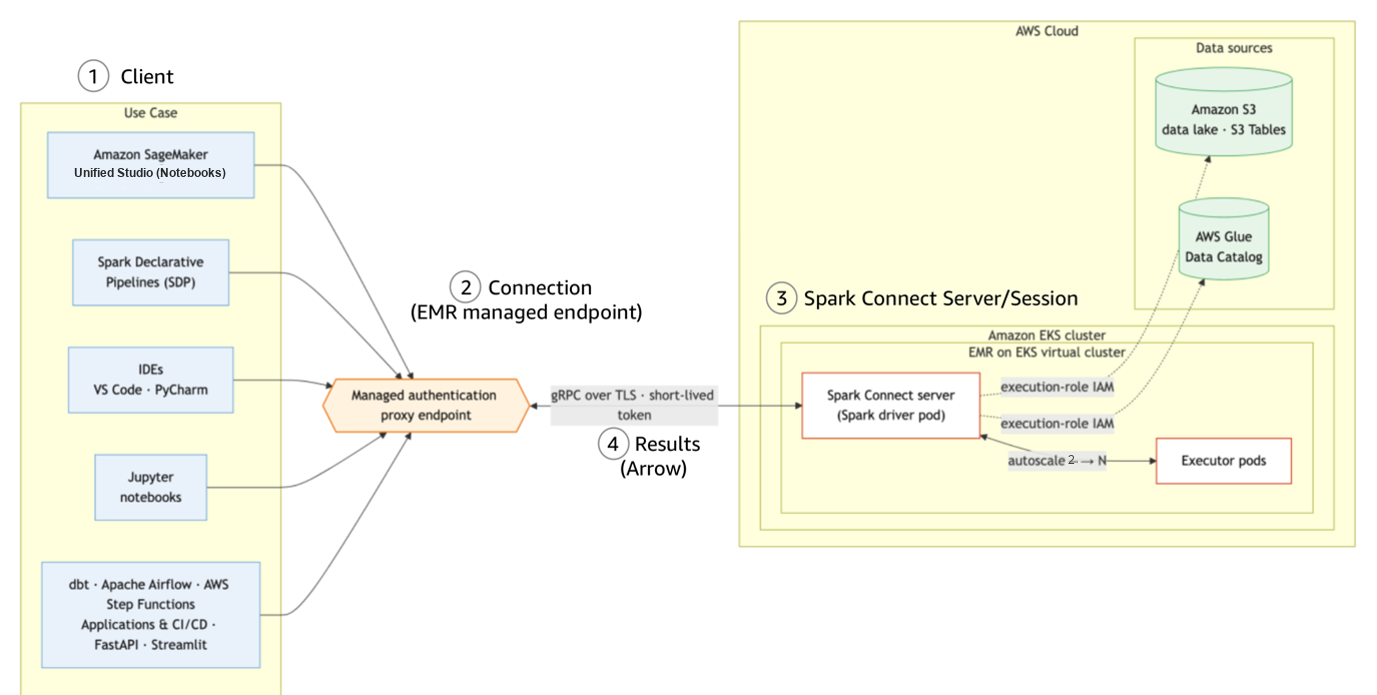
- Announcing Spark Connect on Amazon EMR on EKS: Interactive PySpark development, anywhere
 by Amit Maindola on September 29, 2026 at 4:12 pm
Announcing Spark Connect on Amazon EMR on EKS: build, test, and debug Spark applications from VS Code, PyCharm, Jupyter notebooks, Amazon SageMaker Unified Studio, or dbt, while running full-scale Spark operations on your existing Amazon EKS clusters.
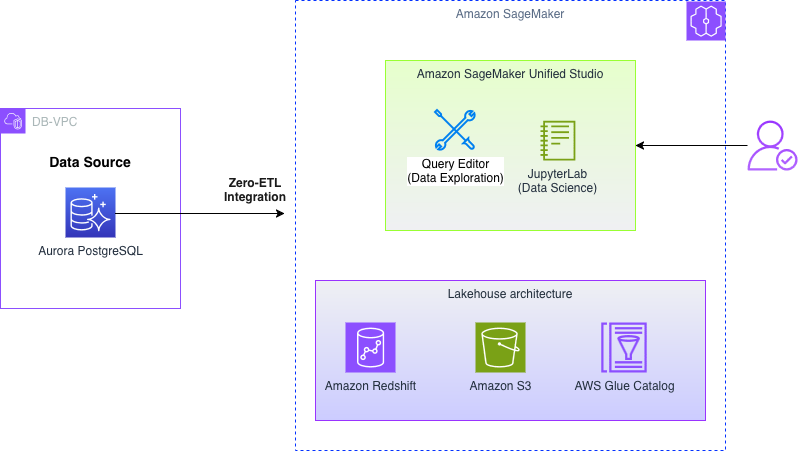
- Aurora PostgreSQL zero-ETL integration with Amazon SageMaker
 by Apurwa Pawar on September 29, 2026 at 4:10 pm
Amazon Aurora PostgreSQL zero-ETL integration with Amazon SageMaker replicates your operational data to a lakehouse in near real time, without building custom ETL pipelines. Learn the architecture and change data capture mechanics, then set up the integration and query your data in Amazon SageMaker.
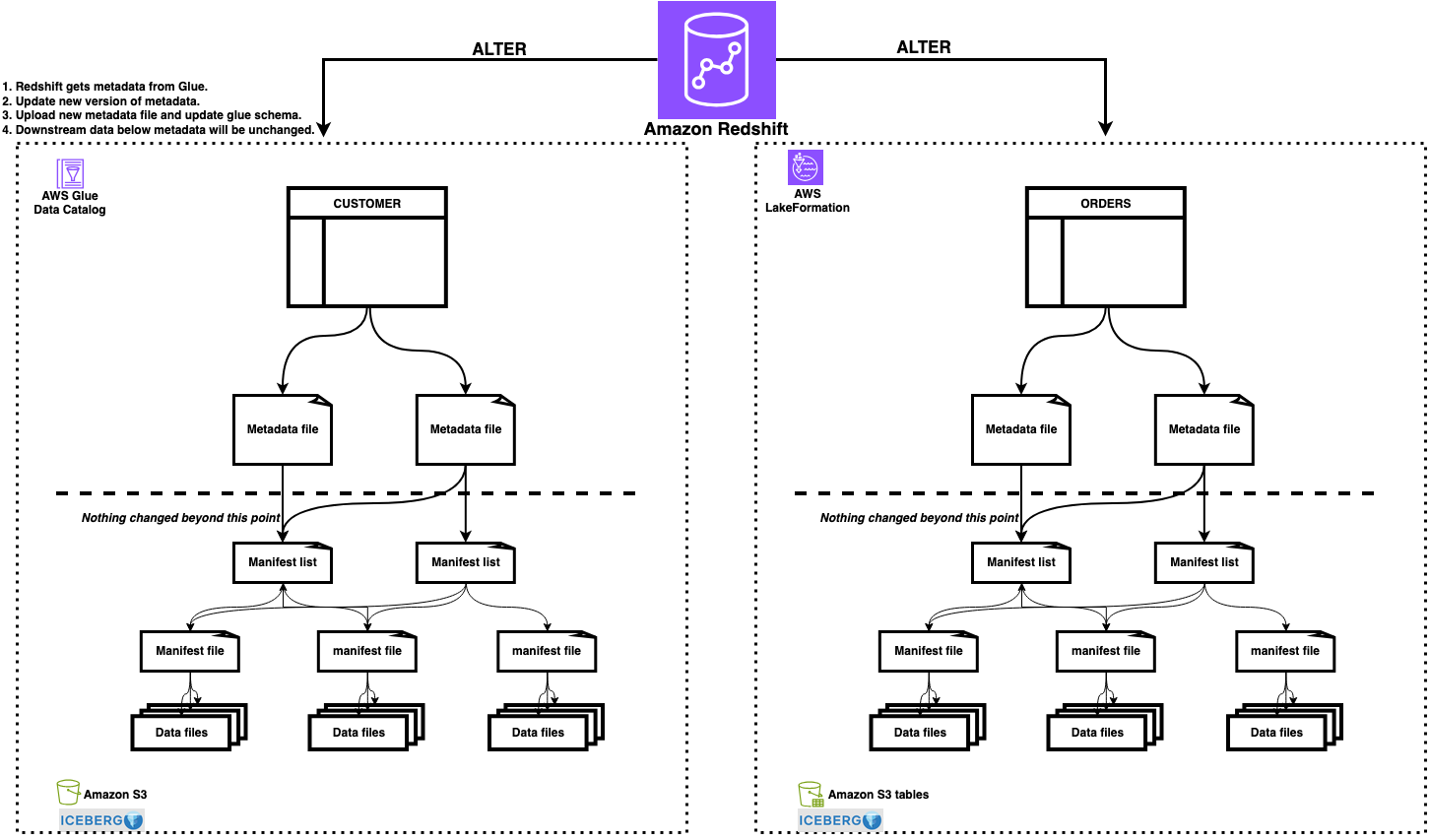
- Getting started with Apache Iceberg write support in Amazon Redshift – Part 3
 by Raghu Kuppala on September 28, 2026 at 3:48 pm
Amazon Redshift now supports evolving Apache Iceberg table schemas and partition layouts through ALTER statements, with no data rewrites or pipeline rebuilds. In this final post of the series, you rename, add, drop, and widen columns, evolve partitions, and create AWS Lake Formation resource links for governed cross-engine access to Amazon S3 Tables.
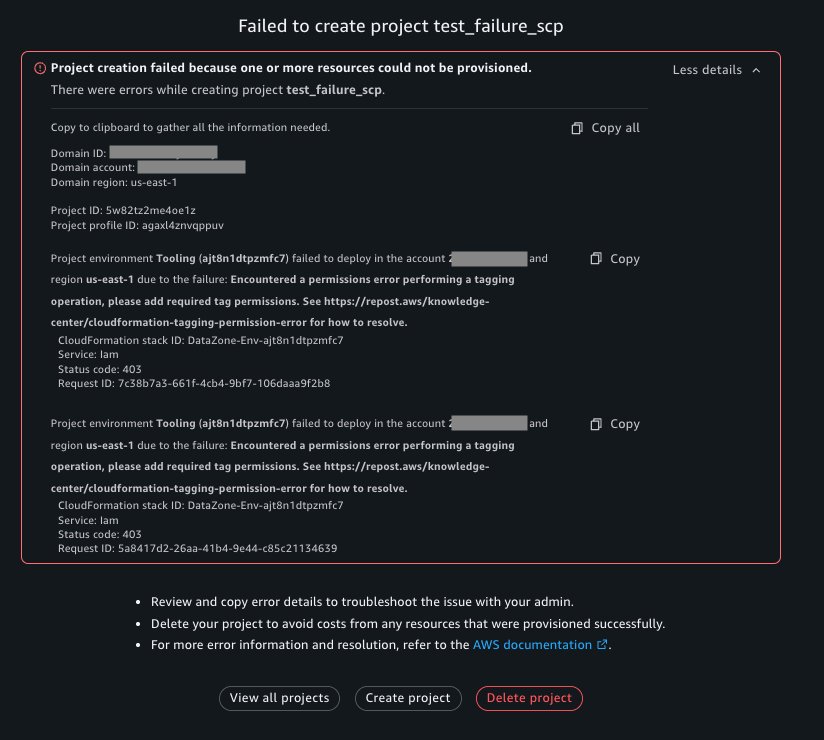
- Enforce IAM permissions boundaries for Amazon SageMaker Unified Studio Tooling blueprints
 by Sanjana Sekar on September 28, 2026 at 3:45 pm
Amazon SageMaker Unified Studio now supports custom permissions boundaries for the IAM roles its Tooling blueprint creates. Learn how to create a permissions boundary that restricts AI agent capabilities, configure it on the Tooling blueprint with the AWS CLI, and validate that every provisioned role carries the boundary.
- How Delivery Hero rebuilt real-time ad measurement with Apache Flink
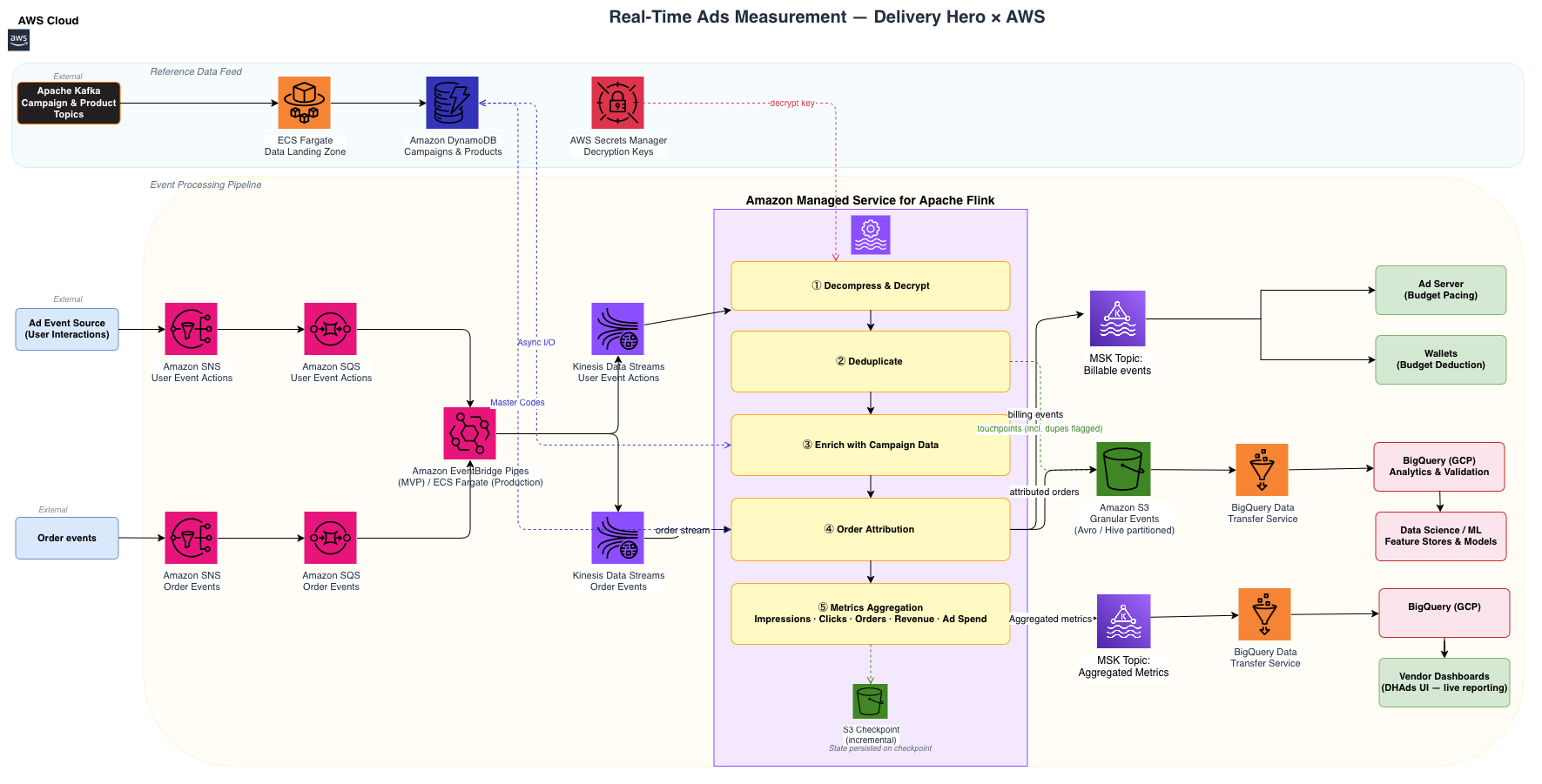 by Kirill Tishenkov on September 24, 2026 at 4:09 pm
Learn how Delivery Hero rebuilt its ad measurement pipeline from hourly batch processing to real time on Amazon Managed Service for Apache Flink, cutting the gap between an event and its recording from 61 minutes to 1.2 seconds and reducing monthly operational costs by about 57%.
- Configure domain-level VPC networking in Amazon SageMaker Unified Studio
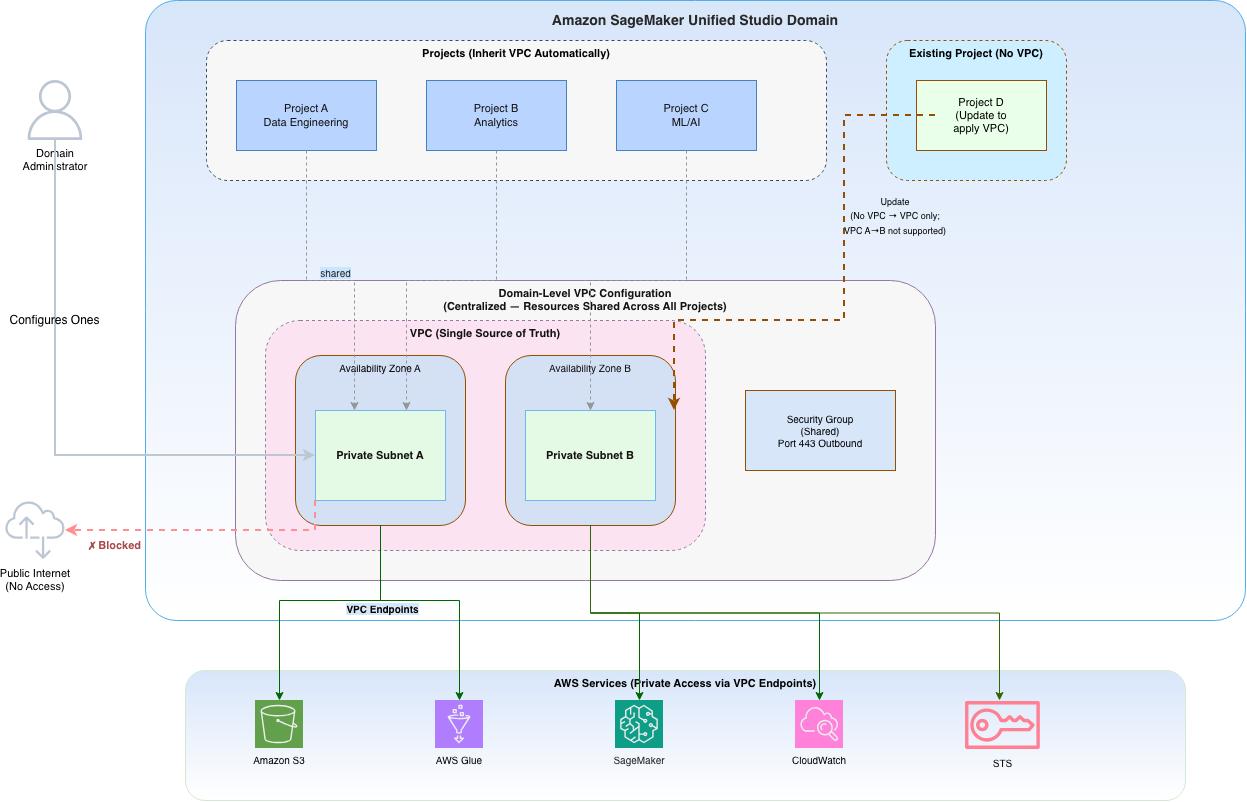 by Prasad Nadig on September 23, 2026 at 6:36 pm
Configuring VPC networking per project across a SageMaker Unified Studio domain creates inconsistent, hard-to-audit networks. This post shows administrators how to configure domain-level VPC networking once, so every new project automatically inherits consistent, private network isolation, then update existing projects and validate connectivity.
- Announcing Spark Connect on Amazon EMR on EC2: Interactive PySpark anywhere
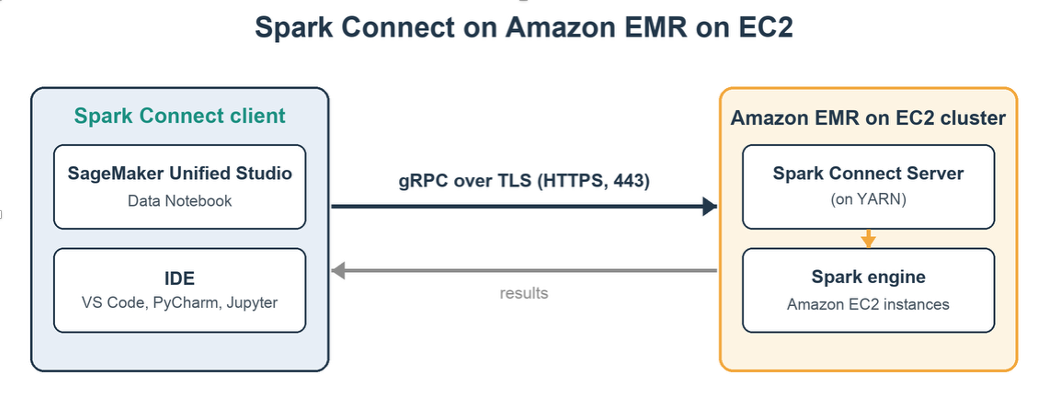 by Al MS on September 23, 2026 at 6:28 pm
Amazon EMR on EC2 now supports Spark Connect, so you can develop and debug PySpark interactively from Amazon SageMaker Unified Studio Data Notebooks or your own IDE while Spark runs on your cluster. This post shows you how to get started from both a Data Notebook and a local IDE.
- Query unstructured data in Amazon SageMaker Catalog using generative AI
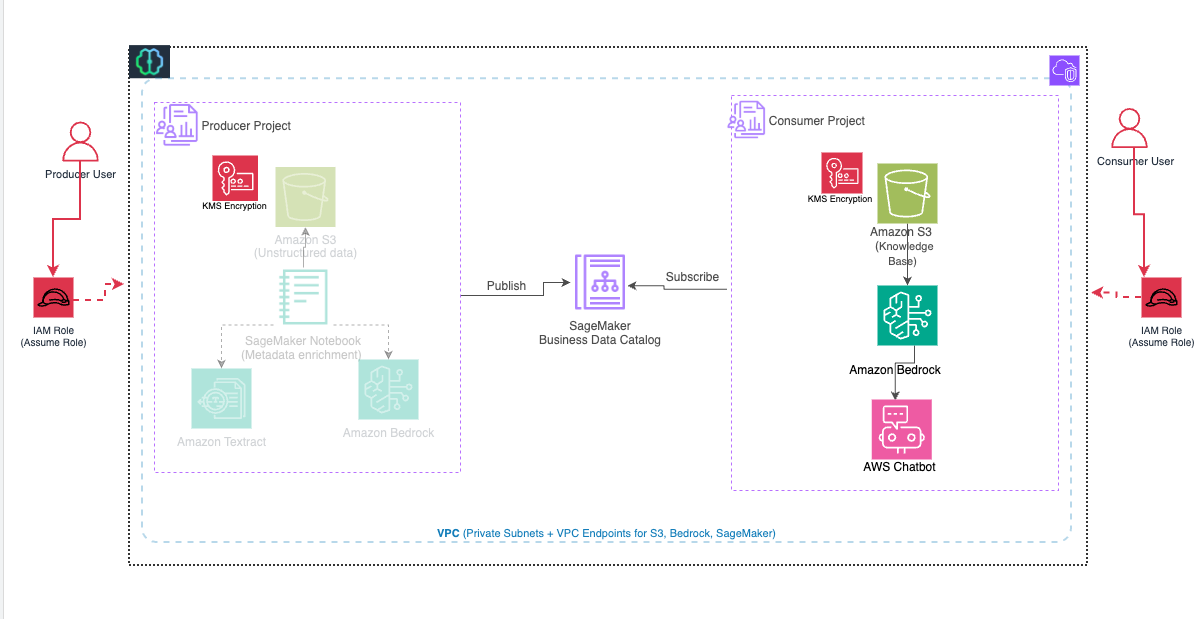 by Nishchai JM on September 23, 2026 at 6:22 pm
In Part 2 of this series, sign in as a data consumer, subscribe to enriched unstructured data assets in Amazon SageMaker Catalog, and query them using natural language through a no-code Amazon Bedrock chat agent and Amazon Bedrock model inference.
- Best practices for scaling large consumer groups on Amazon MSK
 by Pallavi Jha on September 22, 2026 at 3:16 pm
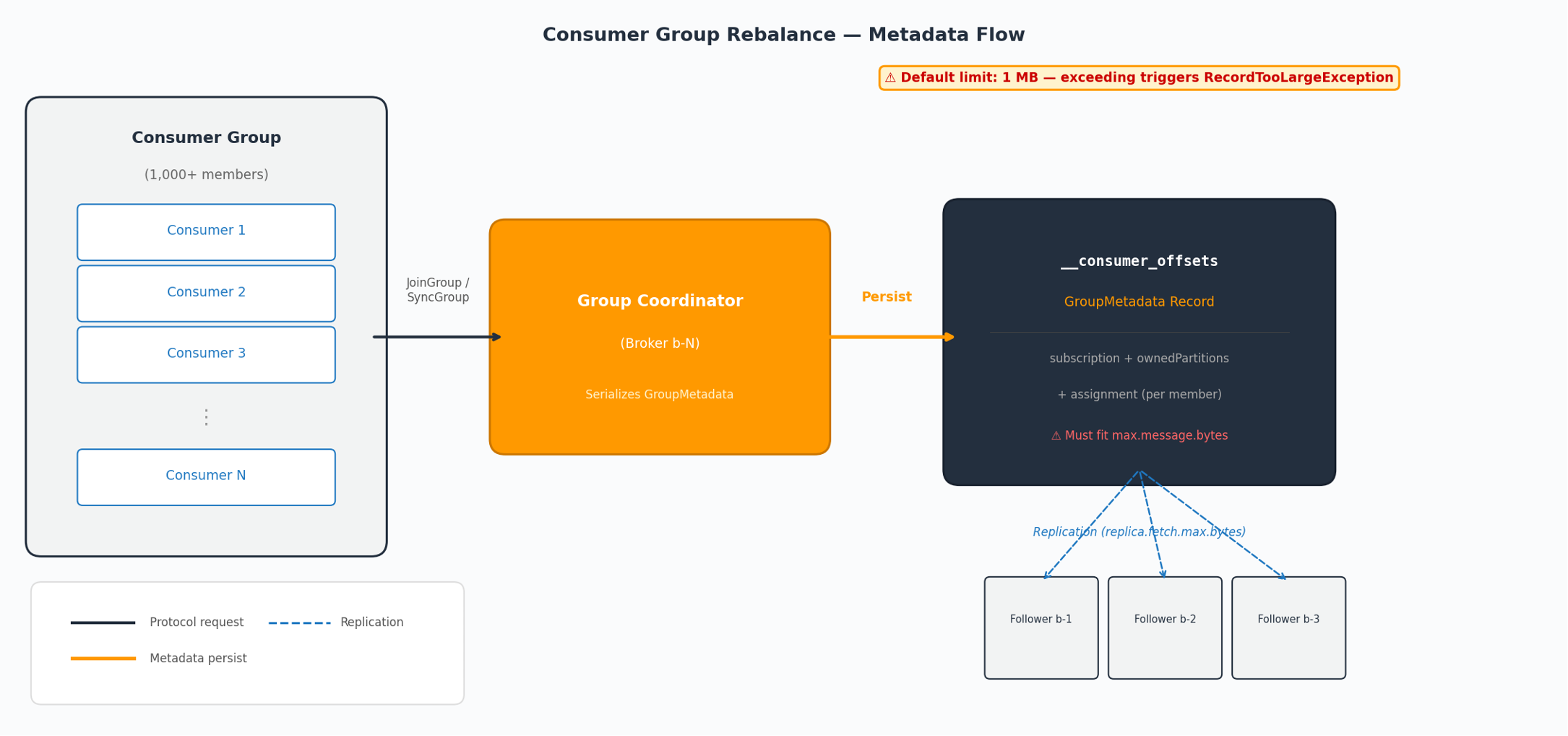
As consumer groups on Amazon MSK scale to thousands of members, the metadata record Kafka writes during rebalances can exceed the 1 MB limit and stall the group. Learn how to estimate metadata size, raise the topic-level limit safely, plan capacity, and apply complementary strategies for scaling large consumer groups.