

Azure Cosmos DB Blog The latest news, updates and technical insights from the Azure Cosmos DB team
- AI Agents: Meet the Azure Cosmos DB vNext Emulator
 by Theo van Kraay on October 15, 2026 at 1:38 pm
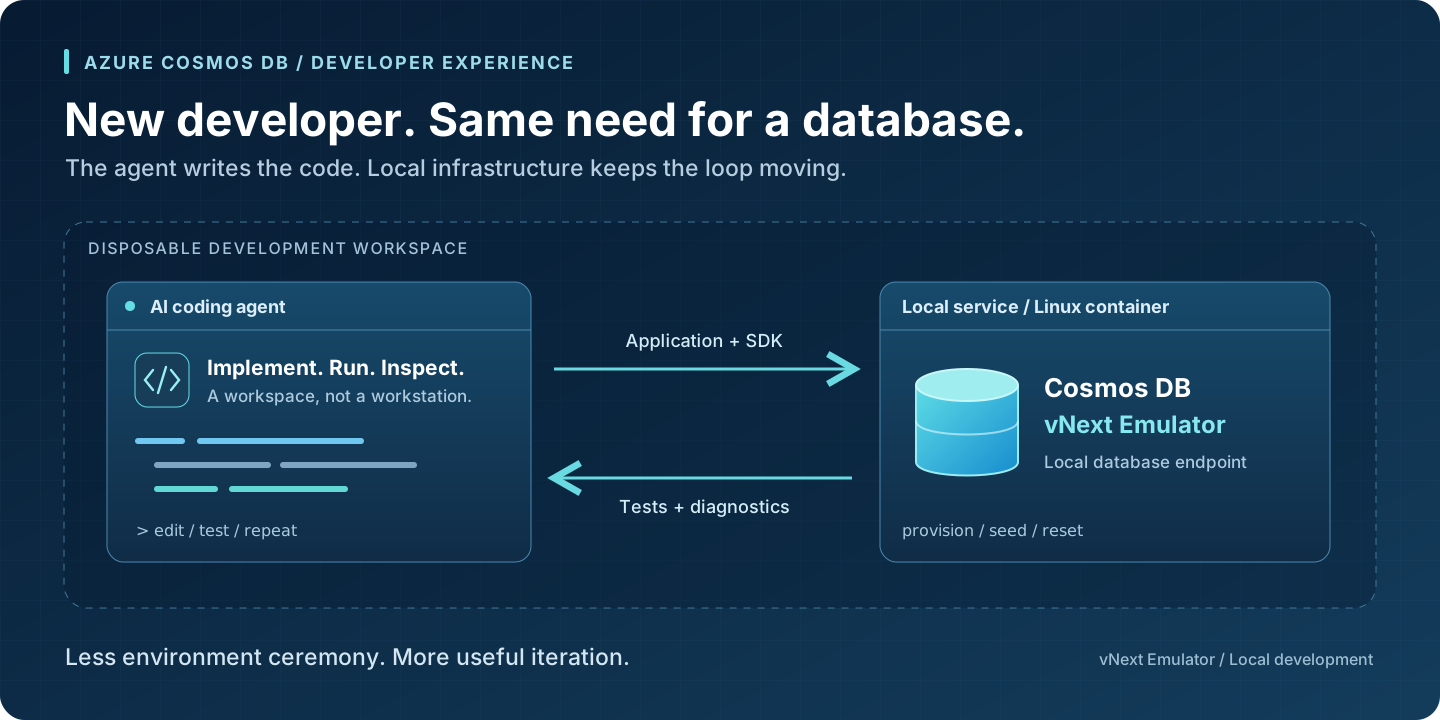
Over a typical 2 day window, we record 10 times as many emulator sessions lasting more than 30 minutes for vNext as for the legacy emulator. Our bet is that agentic development is helping drive the difference! The appeal is straightforward: coding agents need a database they can run anywhere. They also need a database The post AI Agents: Meet the Azure Cosmos DB vNext Emulator appeared first on Azure Cosmos DB Blog.
- Introducing the Native Confluent Cloud Connector Experience in Azure Cosmos DB!
 by Theo van Kraay on October 9, 2026 at 7:00 am
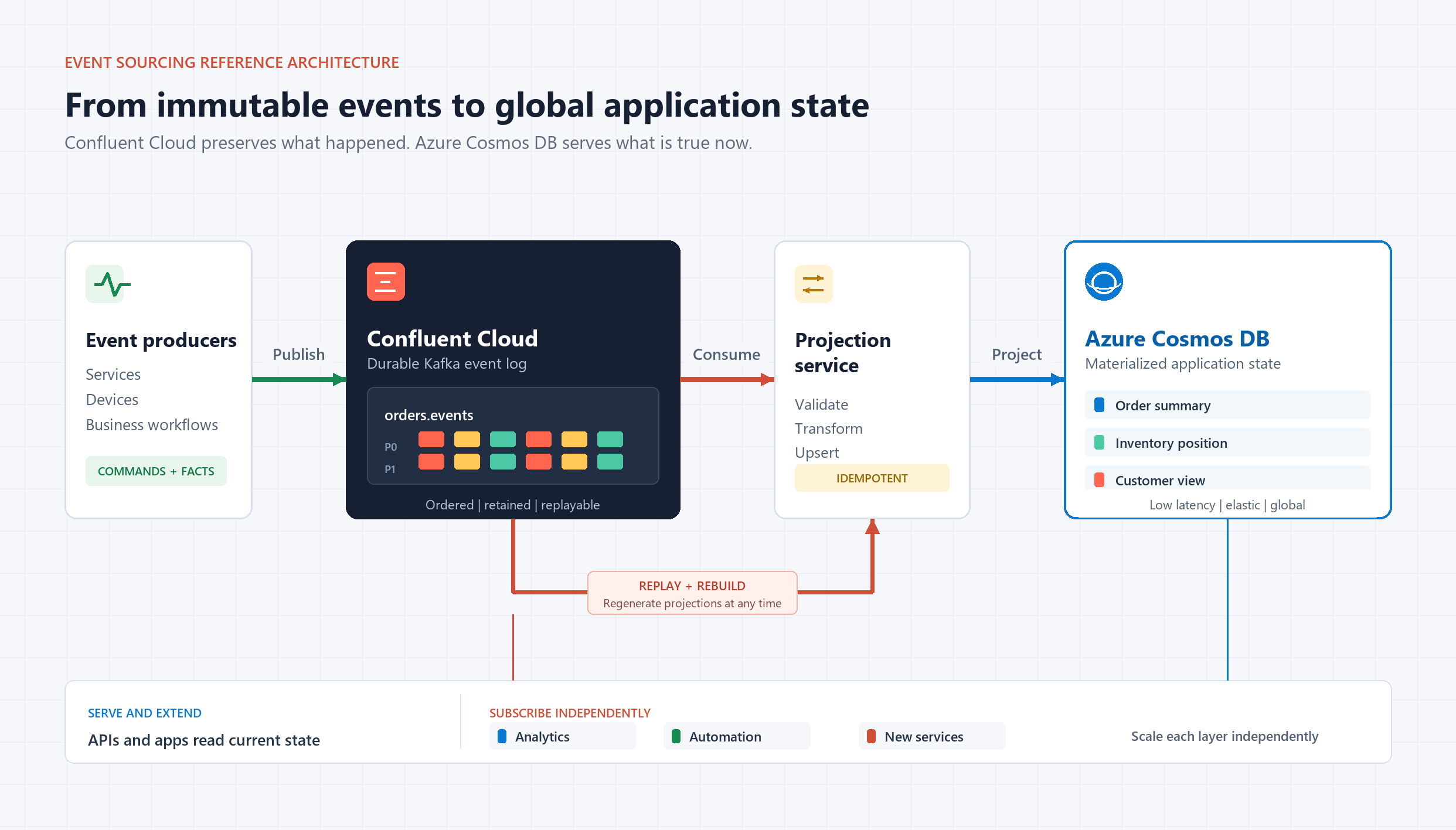
Co-authored with Praveen Raja P Azure Cosmos DB already includes a powerful event foundation: change feed provides a durable, ordered record of item changes within each logical partition. It is ideal for reacting to operational data as it changes, building projections, and driving workflows directly from the database. Confluent Cloud adds a complementary event layer The post Introducing the Native Confluent Cloud Connector Experience in Azure Cosmos DB! appeared first on Azure Cosmos DB Blog.
- From an Empty Folder to an AI Agent: Meet create-cosmos-agent
 by Sajeetharan Sinnathurai on October 5, 2026 at 2:12 pm
The first few minutes of a new AI project often feel productive. Create a chat endpoint, connect a model, send a prompt, and display the answer. Then the real questions arrive. Where should the agent store memory? How do we keep one customer’s data away from another? How do we trace the source of an The post From an Empty Folder to an AI Agent: Meet create-cosmos-agent appeared first on Azure Cosmos DB Blog.
- I’m the Only Developer on This Project. Do I Really Need RBAC?
 by Sudhanshu Khera, Iria Osara on October 5, 2026 at 1:40 pm
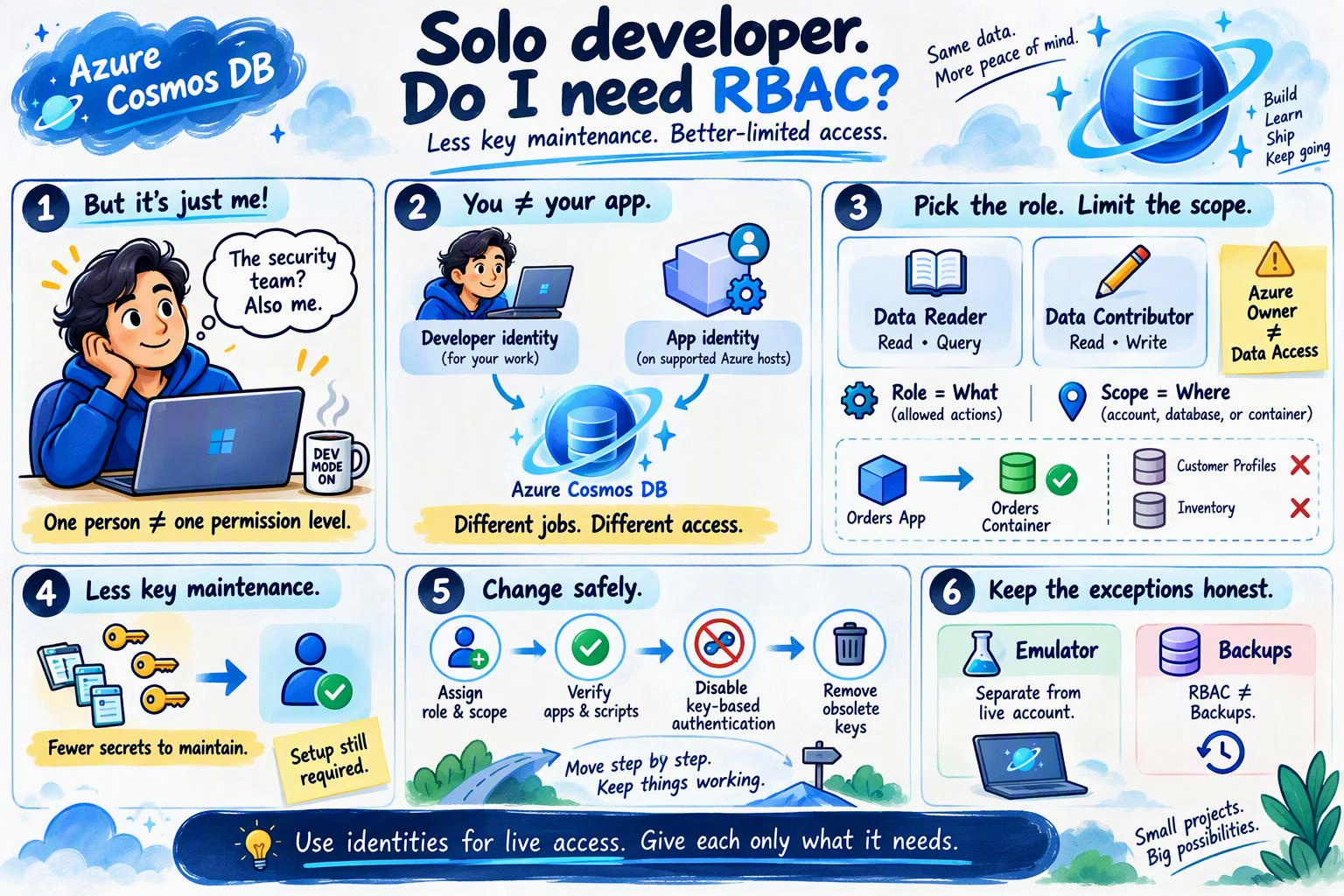
You own the account, wrote the application, and would be the one fixing it if something broke. So role-based access control (RBAC) can sound like an answer to a problem you do not have: managing other people. You do not need RBAC for your app to function; account keys still work while key-based authentication is The post I’m the Only Developer on This Project. Do I Really Need RBAC? appeared first on Azure Cosmos DB Blog.
- Translating an Elasticsearch Search Request to Azure Cosmos DBby Madeline Egan on October 2, 2026 at 7:00 am
This tutorial shows how common Elasticsearch search requests can be expressed using Azure Cosmos DB query patterns. Some Elasticsearch capabilities map directly to Cosmos DB full-text search functions, while others require separate queries or application-layer handling. Each step shows the closest Cosmos DB pattern and explains what changes in the process. In Elasticsearch, one search The post Translating an Elasticsearch Search Request to Azure Cosmos DB appeared first on Azure Cosmos DB Blog.
- Genspark protects live agent sessions with Azure Cosmos DB Global Secondary Indexes
 by Azure Cosmos DB Team on October 1, 2026 at 4:00 pm
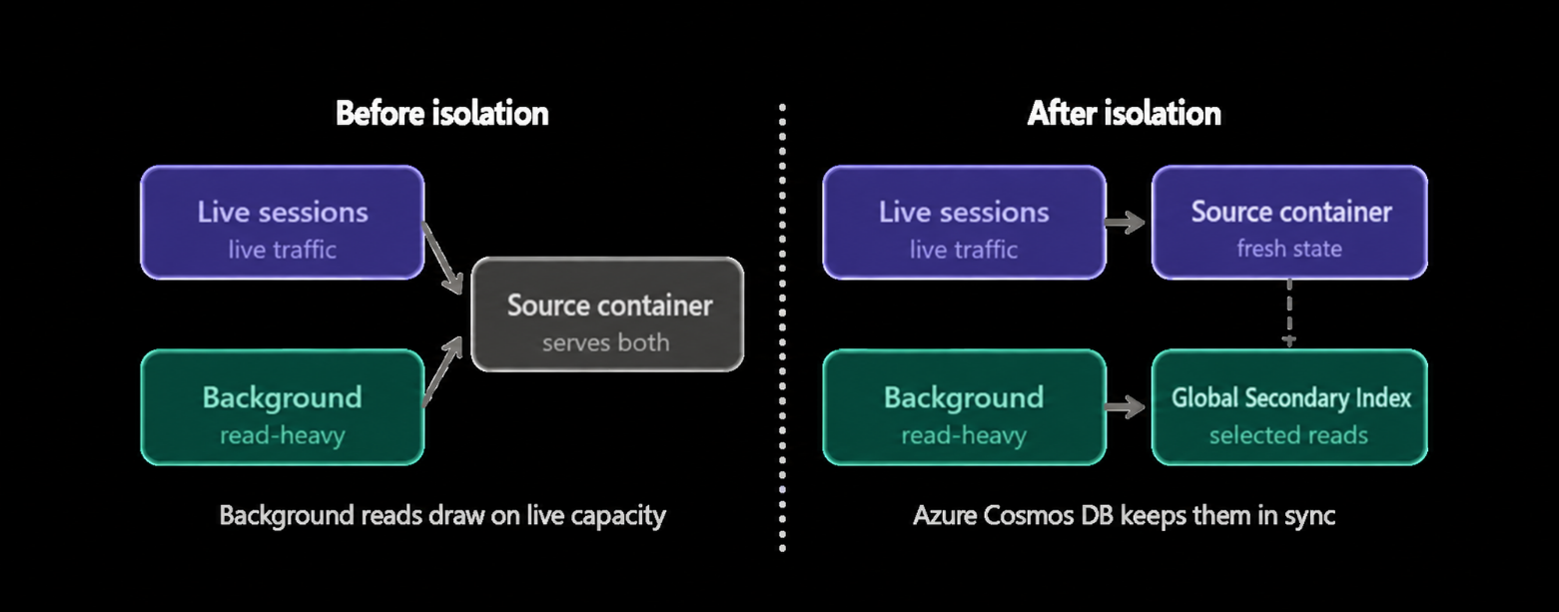
This article was authored by Justin Liu, co-founder and chief architect, Genspark. The work does not end when the prompt does A user comes to Genspark with a goal: research a market, build a presentation, produce a report, analyze a dataset, or complete another complex assignment. Our agents take it from there, working across tools, The post Genspark protects live agent sessions with Azure Cosmos DB Global Secondary Indexes appeared first on Azure Cosmos DB Blog.
- Azure Cosmos DB Shell is now available in the Azure portal
 by Sajeetharan Sinnathurai on October 1, 2026 at 3:21 pm
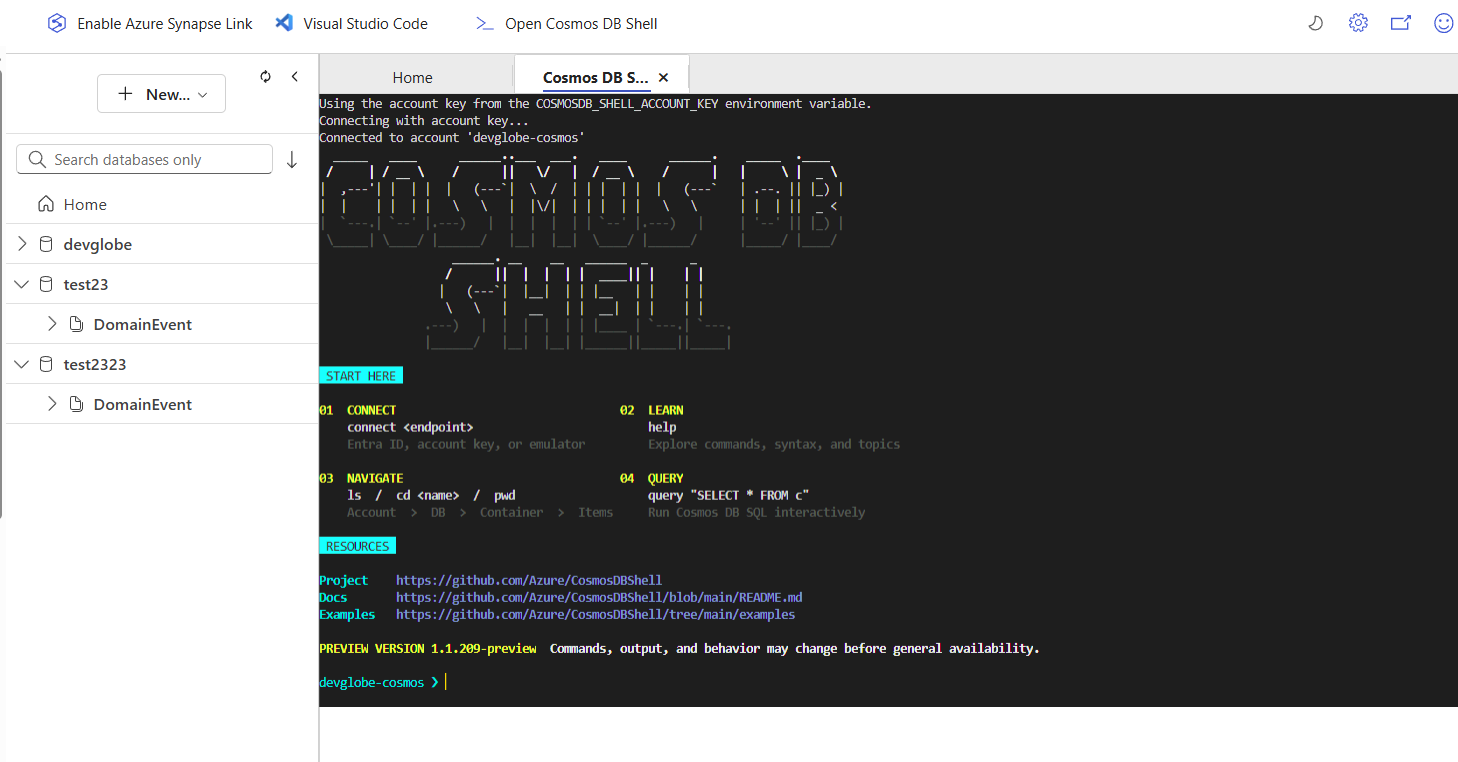
You can now open Azure Cosmos DB Shell directly from Data Explorer in the Azure portal. The shell gives you a terminal-style way to work with Azure Cosmos DB. You can move through databases and containers as you would through folders, run NoSQL queries, inspect resources, and update data. When you launch it from Data The post Azure Cosmos DB Shell is now available in the Azure portal appeared first on Azure Cosmos DB Blog.
- Migrating Elasticsearch Mappings to Azure Cosmos DBby Madeline Egan on October 1, 2026 at 7:00 am
This post focuses on one of the most important design tasks when migrating from Elasticsearch to Azure Cosmos DB: translating an Elasticsearch mapping into Azure Cosmos DB container configuration. In Elasticsearch, a mapping defines how document fields are stored and indexed. Azure Cosmos DB is schema-agnostic, so there is no single mapping document to translate. The post Migrating Elasticsearch Mappings to Azure Cosmos DB appeared first on Azure Cosmos DB Blog.
- Azure Cosmos DB Migration Guide for Elasticsearch Users
 by Madeline Egan on September 30, 2026 at 1:44 pm
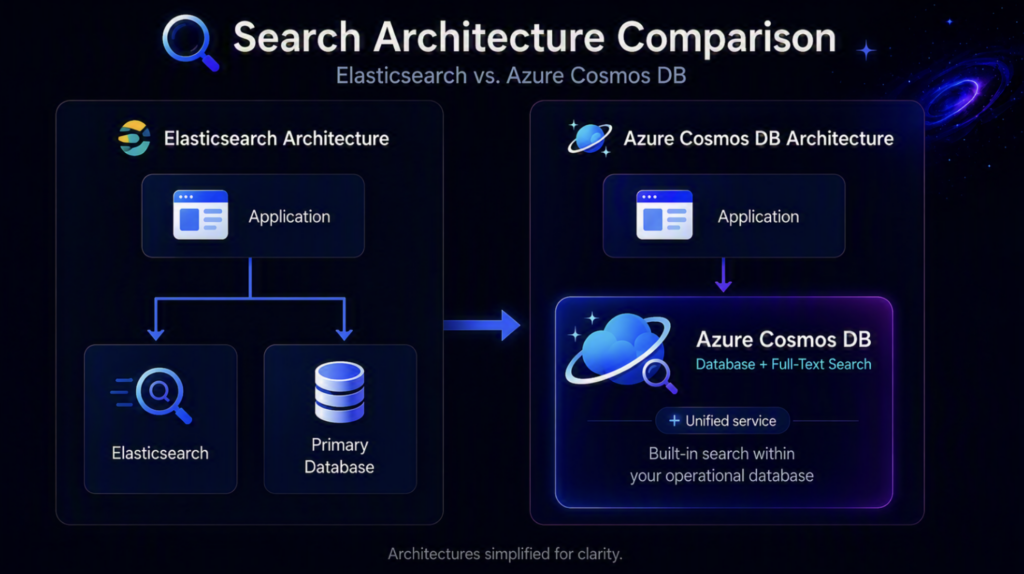
Azure Cosmos DB’s full-text search capabilities can improve price performance and simplify application architecture by consolidating operational data and search in a single service. For customers currently using Elasticsearch, these capabilities create a practical path to bringing operational data and search together in Azure Cosmos DB, particularly when the application’s data already lives there. This The post Azure Cosmos DB Migration Guide for Elasticsearch Users appeared first on Azure Cosmos DB Blog.
- Cosmos DB Mirroring in Fabric Now Supports Virtual Network Data Gateways
 by Jai Maldonado on September 30, 2026 at 7:00 am
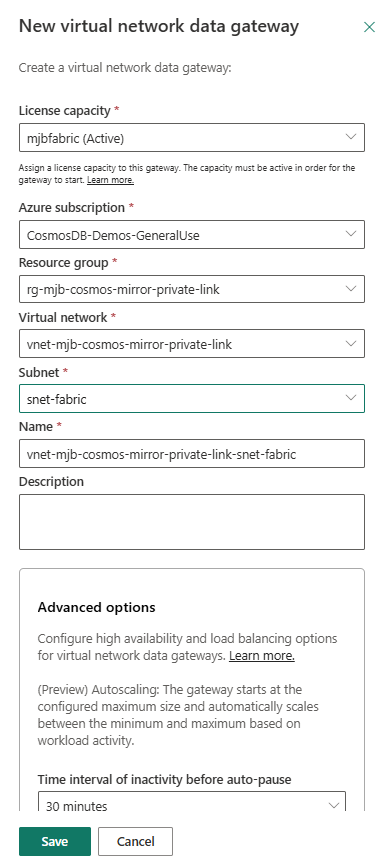
Azure Cosmos DB mirroring in Microsoft Fabric now offers a simpler way to connect accounts secured by private endpoints or virtual networks. A virtual network data gateway provisioned inside your own virtual network keeps public network access disabled throughout setup and ongoing replication. This release builds on the general availability of private network support announced The post Cosmos DB Mirroring in Fabric Now Supports Virtual Network Data Gateways appeared first on Azure Cosmos DB Blog.