
- Your serverless attendee’s guide to AWS re:Invent 2026
 by Nicolas Tarzia on October 14, 2026 at 4:55 pm
AWS re:Invent 2026 offers an extensive selection of serverless and application integration content, including new AWS Lambda execution models, AI agents as a new kind of serverless consumer, and maturing event-driven patterns. This guide helps you navigate the serverless sessions and find the content most relevant to you.
- Exploring AWS Lambda Web Functions for building web applications
 by Julian Wood on October 13, 2026 at 5:59 pm
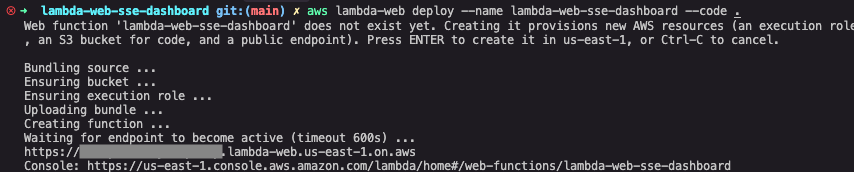
Run a standard Node.js web server on AWS Lambda with Lambda Web Functions, a new type of Lambda function. Deploy it with one command or AWS CloudFormation and get a public HTTPS endpoint with no adapter layer and no servers to manage. See how one execution environment handles many concurrent requests and how active-CPU billing keeps the cost of waiting low.
- Reducing cross-AZ latency with the AWS Lambda metadata endpoint
 by Daniel Abib on October 9, 2026 at 7:41 pm
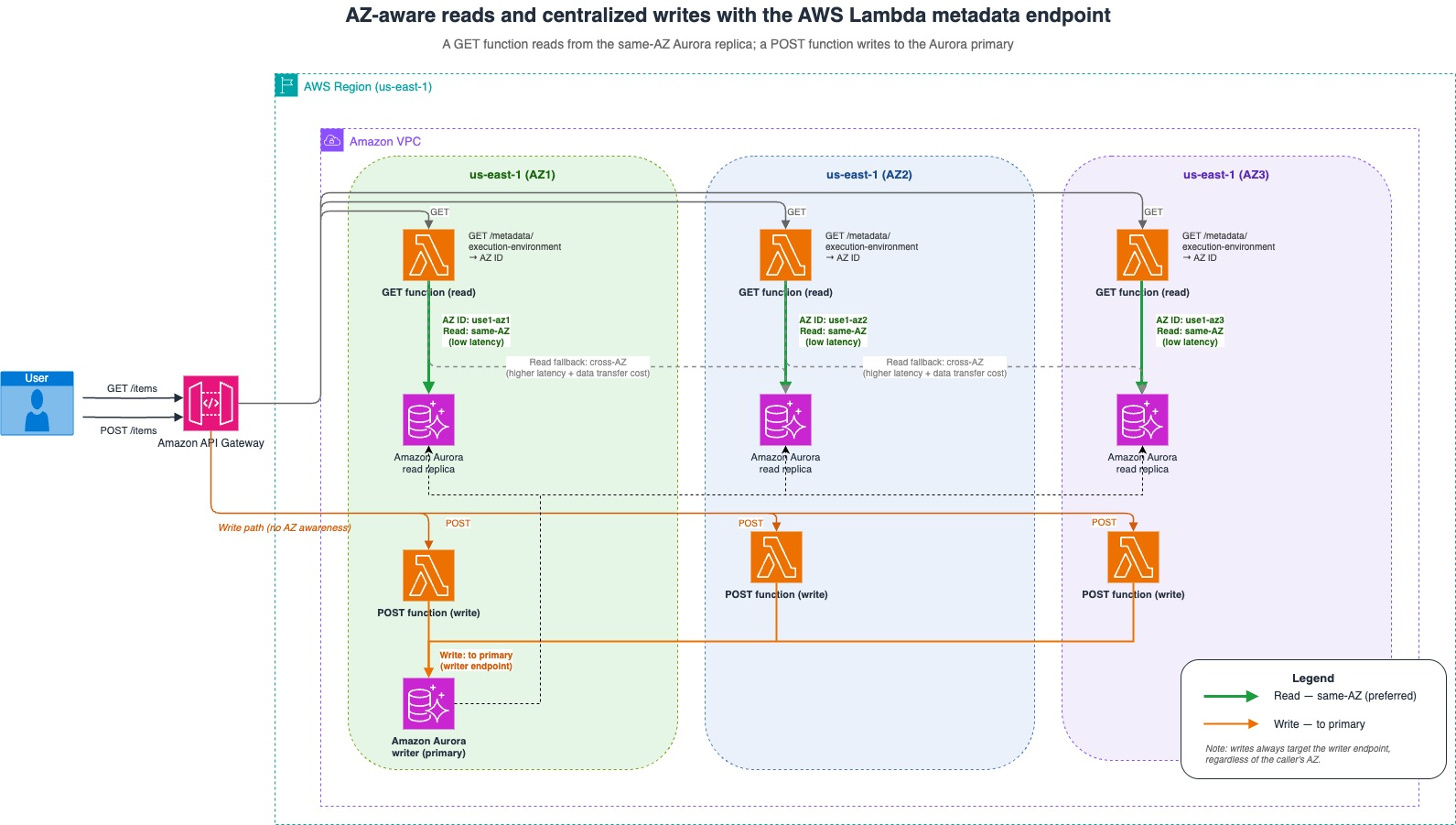
AWS Lambda now exposes Availability Zone metadata through an endpoint in the execution environment, so your function can discover its AZ ID with an HTTP request. Use it to prefer same-AZ endpoints for services like ElastiCache, Amazon RDS, and MemoryDB, reduce cross-AZ latency and data transfer costs, and build AZ-aware resilience patterns.
- Scaling RL rollouts with Firecracker on Amazon EC2 metal
 by Karsten Ploesser on October 9, 2026 at 2:38 pm
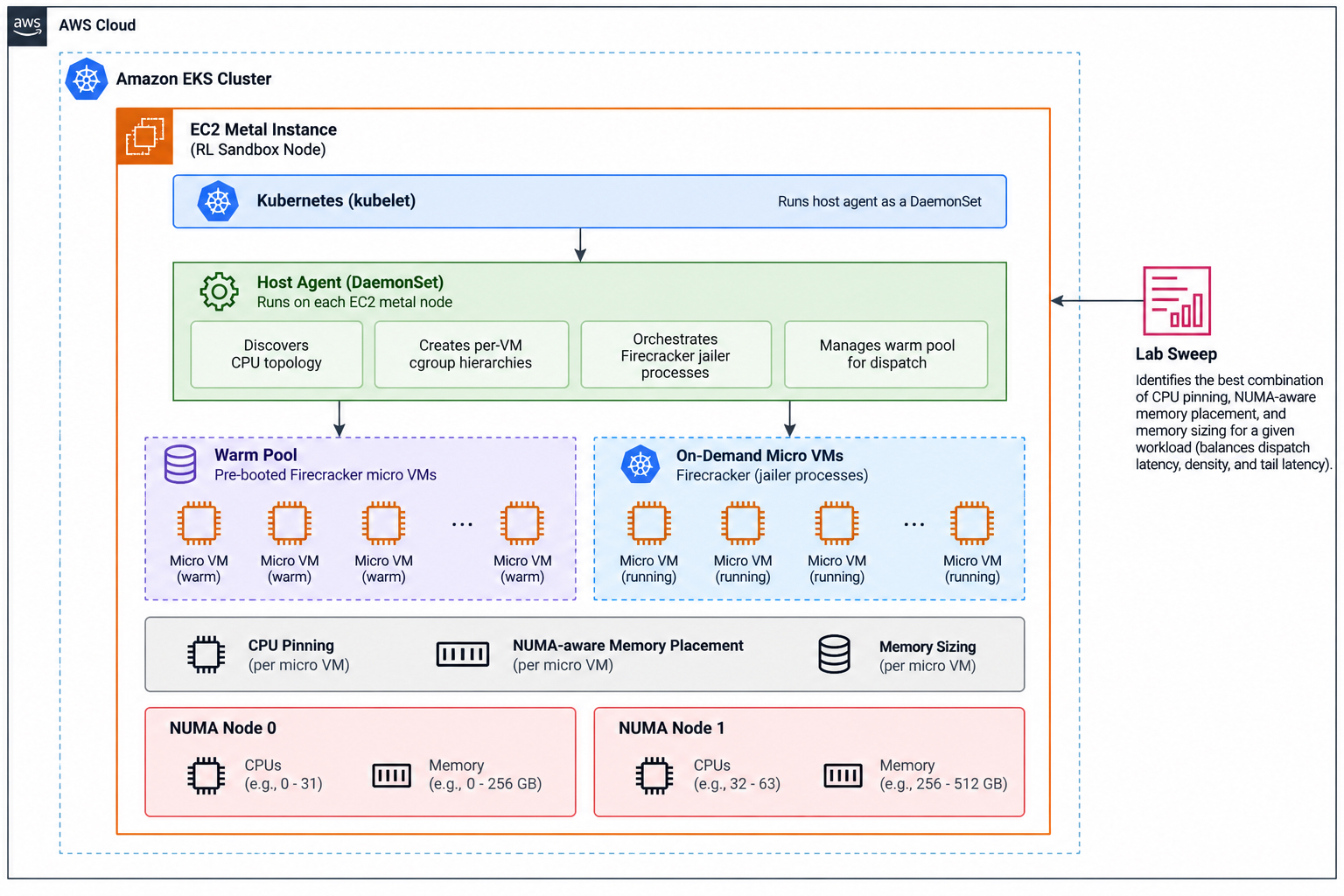
Reinforcement learning at scale runs thousands of isolated rollout sandboxes in parallel, and packing more of them onto each host lowers your cost per training step. This post shows how to tune Firecracker microVM density on Amazon EC2 metal, and introduces labsweep, a harness for mapping your own latency and density curve.
- Get started with AWS Lambda SnapStart for container images
 by Sachin Saini on October 6, 2026 at 4:59 pm
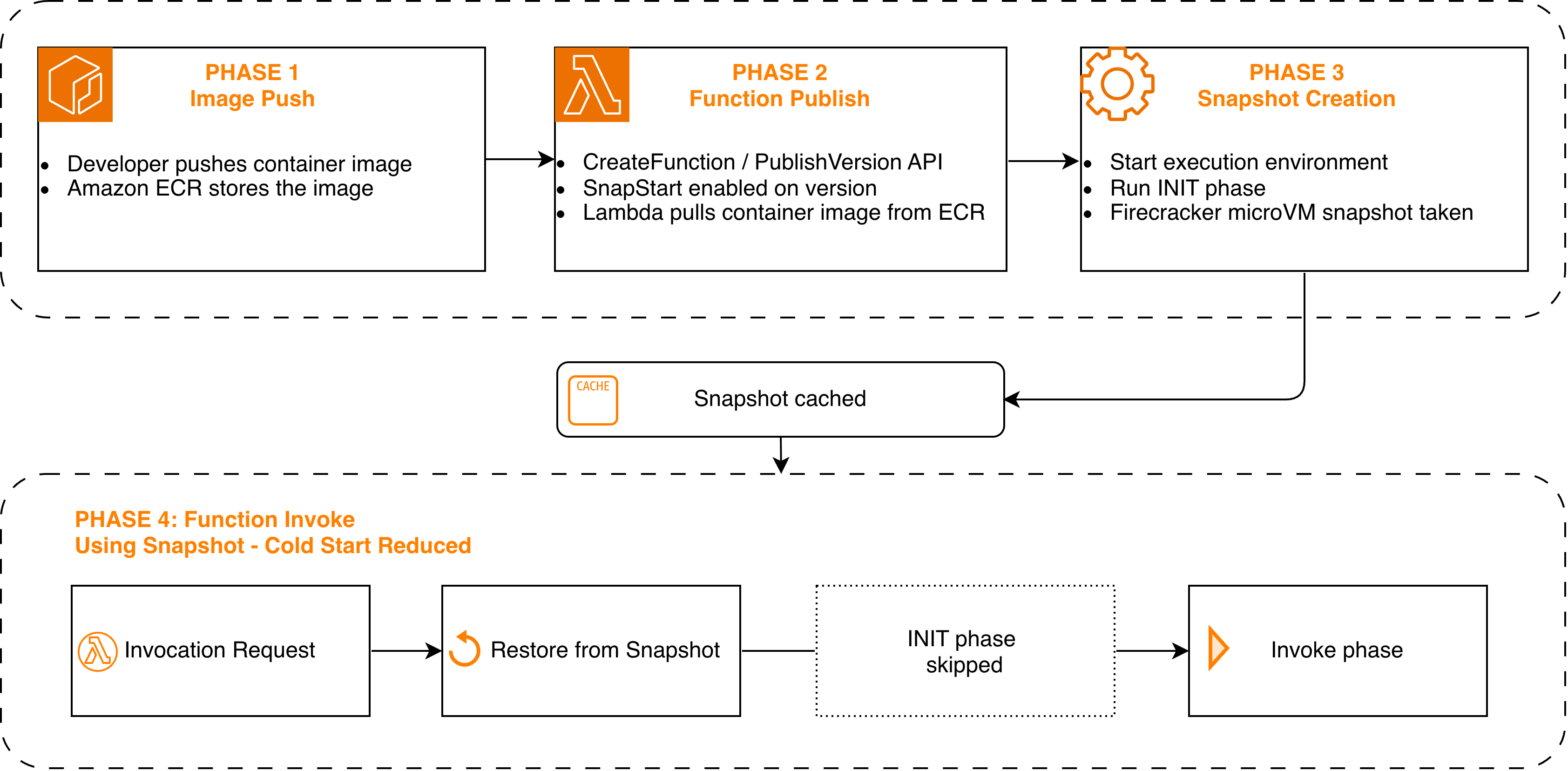
AWS Lambda SnapStart now supports container image functions, reducing startup times from several seconds to as low as sub-second. Learn how SnapStart for container images works, how to enable it on new or existing functions, and best practices for latency-sensitive workloads.
- Introducing EC2 AMI Tag Sharing: Share EC2 tags across AWS accounts
 by Gena Gizzi on October 5, 2026 at 7:05 pm
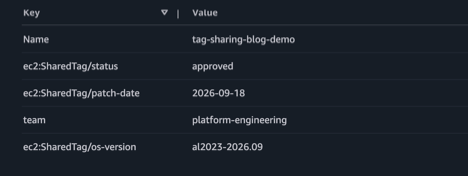
EC2 Tag Sharing lets AMI owners share tags with any account that has access to the image, using the ec2:SharedTag/ prefix. Updates propagate automatically with no custom replication workflows. This post walks through how it works, a golden AMI use case, and considerations for ABAC policies and account governance.
- Implementing customer managed keys for AWS Lambda durable functions with Terraform
 by Rajdeep Banerjee on September 29, 2026 at 5:14 pm
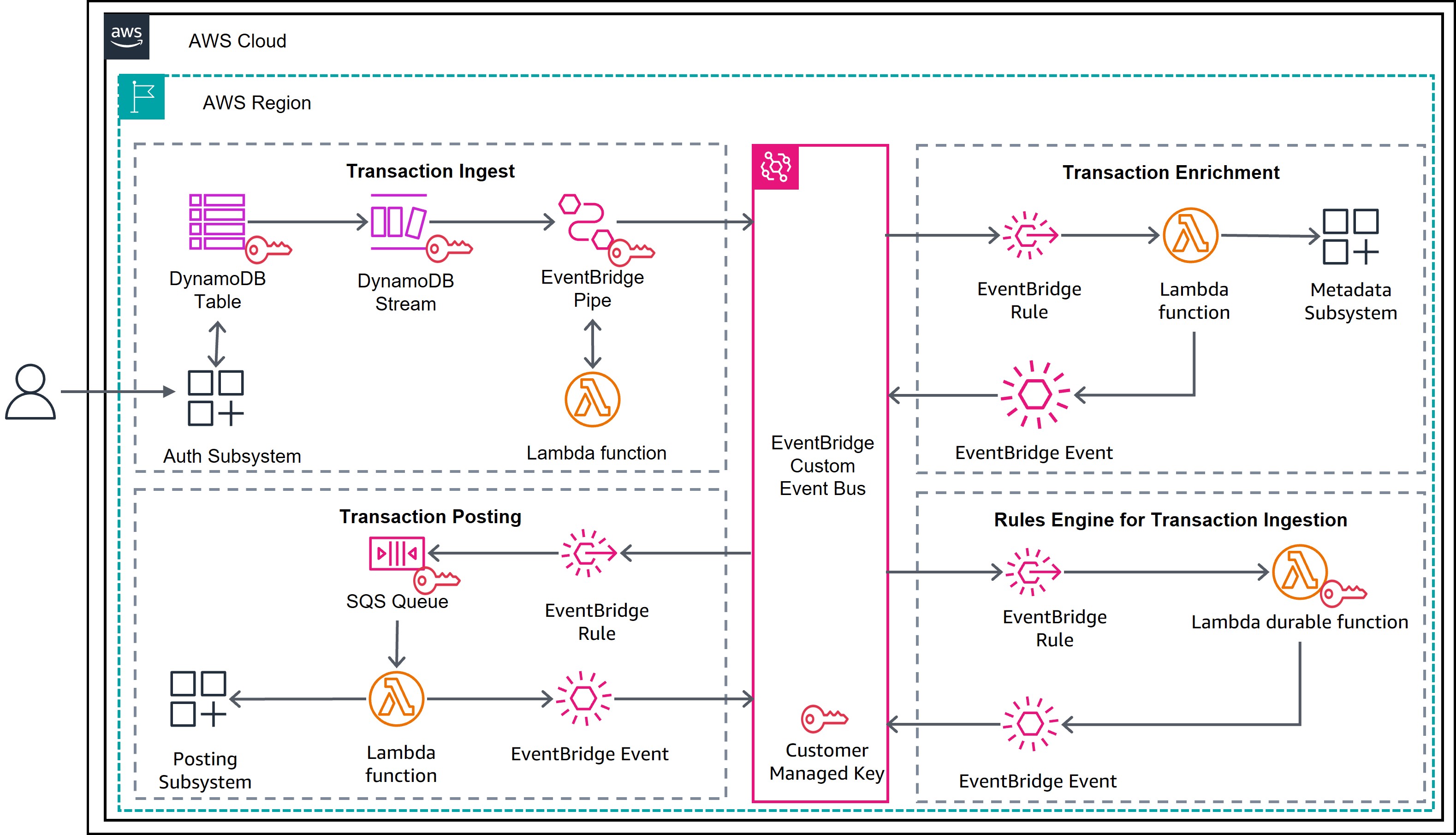
Lambda durable functions checkpoint execution state to durable storage, and for regulated payment workloads that data is sensitive. This post shows how to configure a customer managed key in AWS KMS to encrypt durable execution data, define a least-privilege key policy, and verify encryption through AWS CloudTrail, all deployed with Terraform.
- Simplify AMI discovery with Amazon EC2 and SSM Parameter Storeby Ashwani Tyagi on September 29, 2026 at 4:14 pm
Managing Amazon EC2 AMIs at scale means constantly mapping AMI IDs to their AWS Systems Manager parameter paths by hand. A recent enhancement to the DescribeImages API returns the associated SSM parameter directly. This post shows how to use it across the AWS CLI, AWS CloudFormation, Terraform, and Auto Scaling launch templates.
- Frozen package management for air-gapped RHEL-family AMIs
 by Anand Krishna Varanasi on September 29, 2026 at 3:55 pm
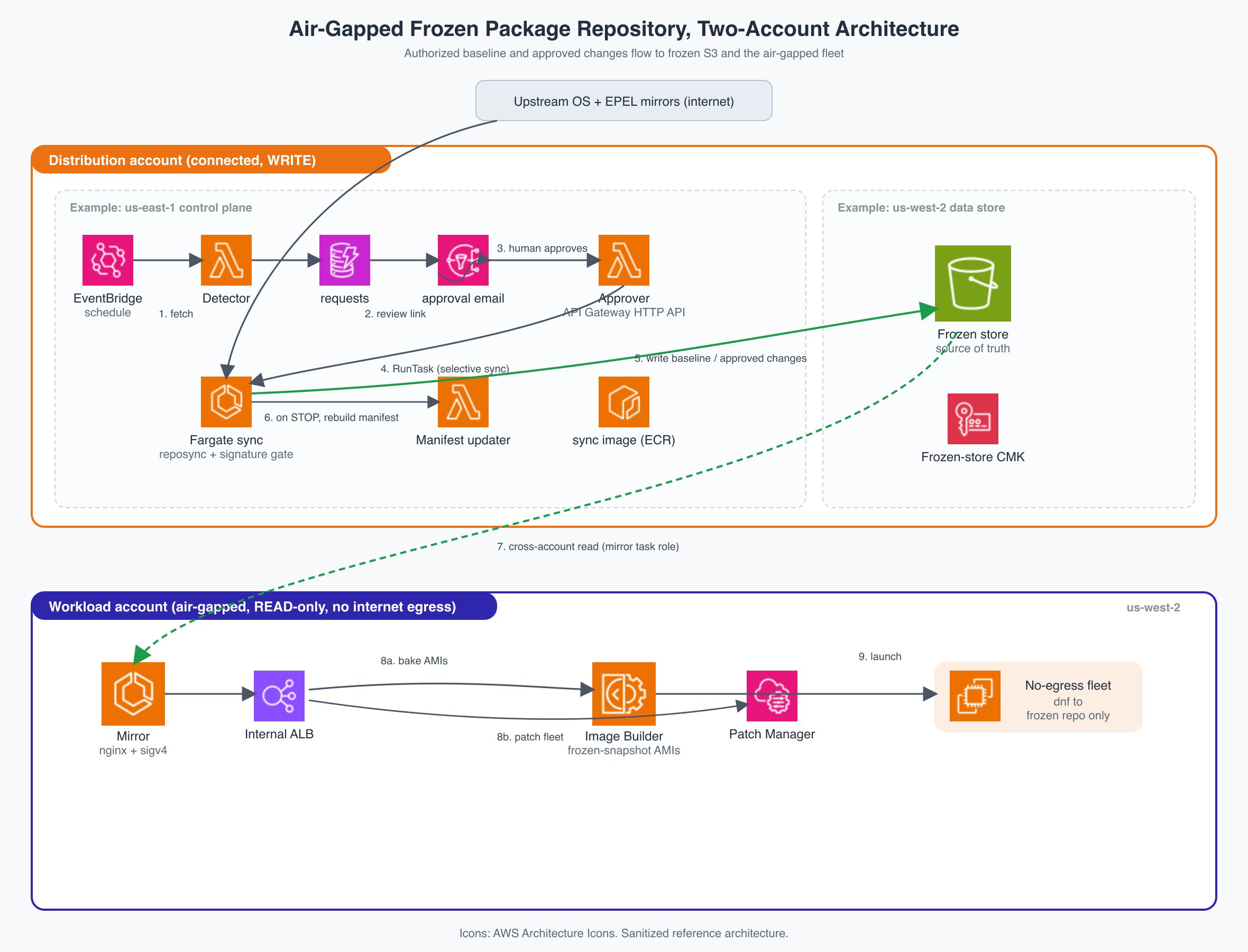
Learn a serverless, two-account pattern for running regulated, air-gapped RHEL-family fleets on AWS. It separates connected package ingestion from the air-gapped workload, adds explicit human approval for package changes, and keeps EC2 Image Builder AMIs and Patch Manager on one frozen Amazon S3 repository snapshot.
- Building event-driven applications at scale with Amazon EventBridge
 by Nahid Karimaghalou on September 28, 2026 at 10:38 pm
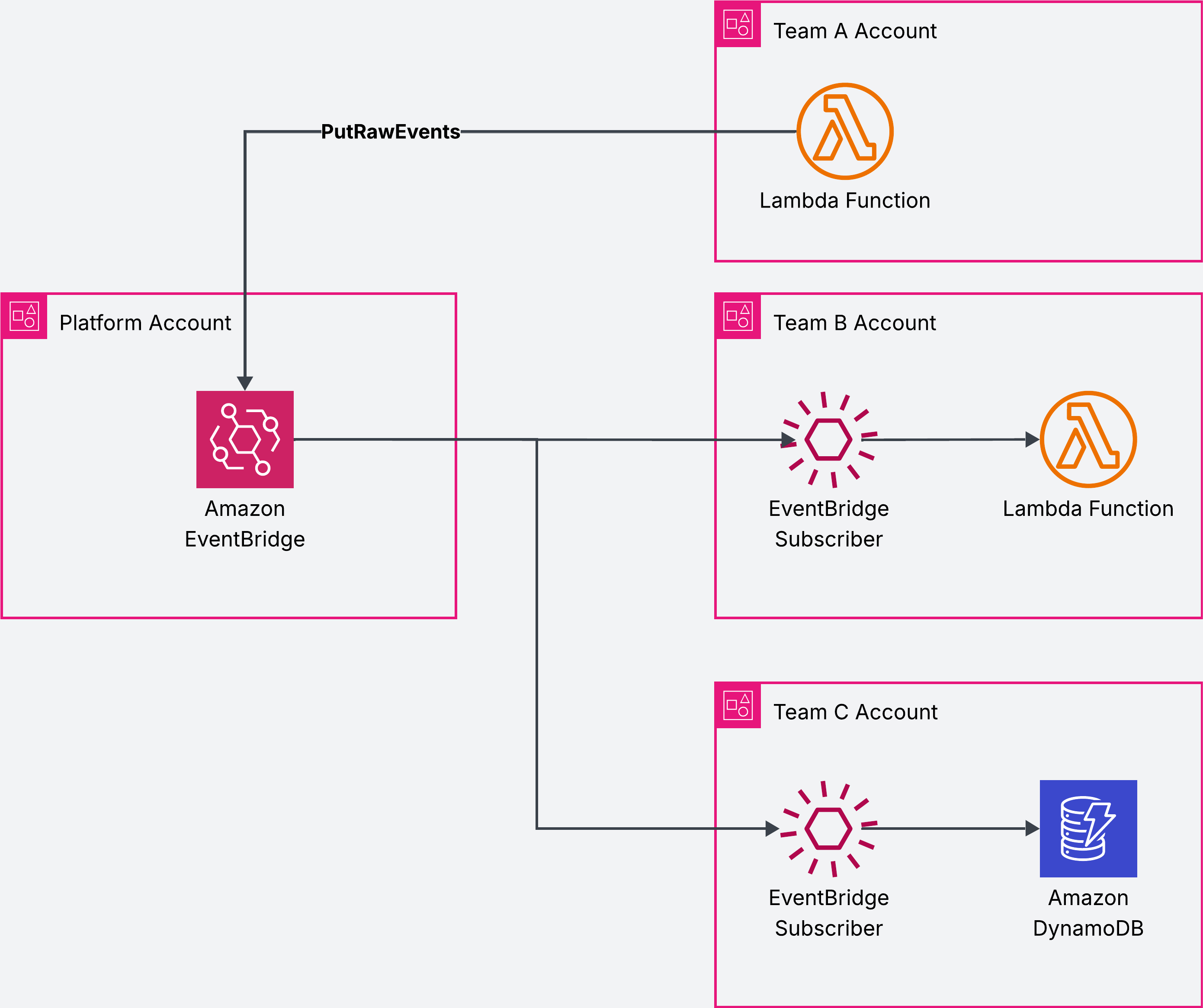
Amazon EventBridge relaunched the Custom event bus so a platform team can share one governed bus across the organization while application teams publish and subscribe from their own accounts. See how retention, ordering, open formats, transformation, and direct target delivery change what one bus can carry.
- Improving Lambda function latency with scalable network bandwidth
 by Rahul Shandilya on September 28, 2026 at 9:17 pm
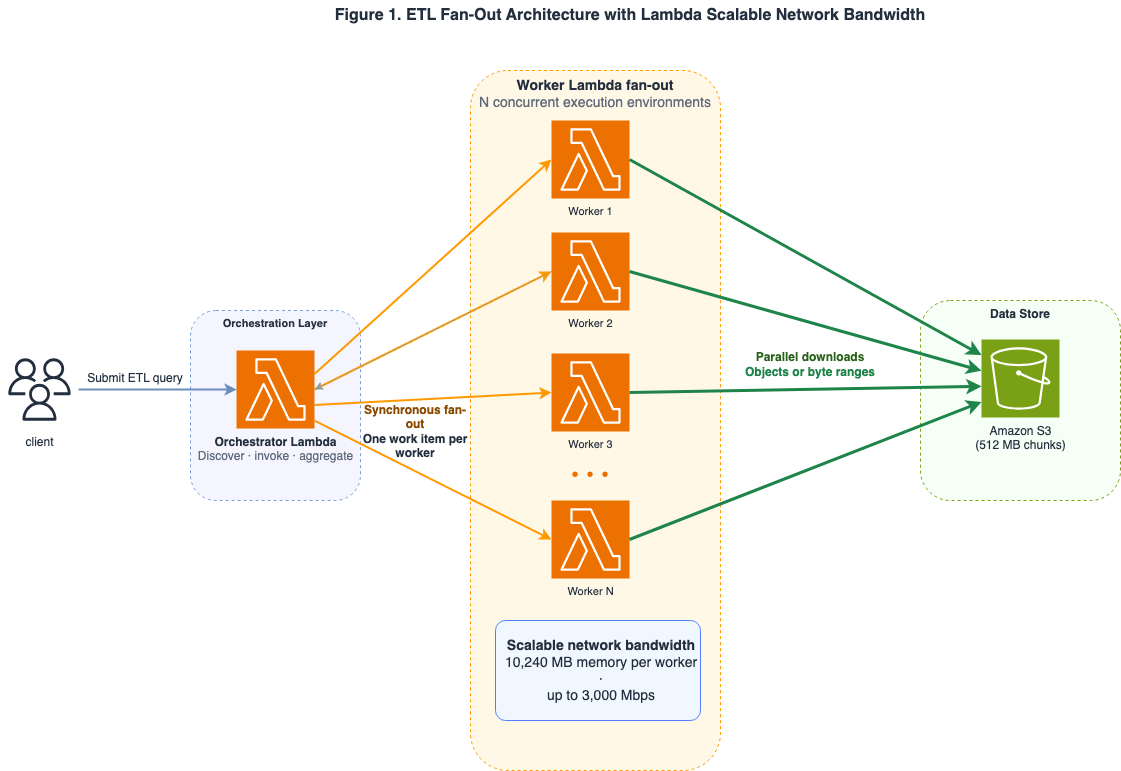
AWS Lambda now supports scalable network bandwidth for functions with 2,048 MB of memory or more running outside a VPC. Sustained throughput scales from 625 Mbps up to 3,000 Mbps at 10,240 MB, reducing execution times and per-invocation costs for latency-sensitive data processing workloads.
- Adding custom domains to AWS Lambda MicroVMs with Application Load Balancer
 by Frank Scarfo on September 22, 2026 at 4:48 pm
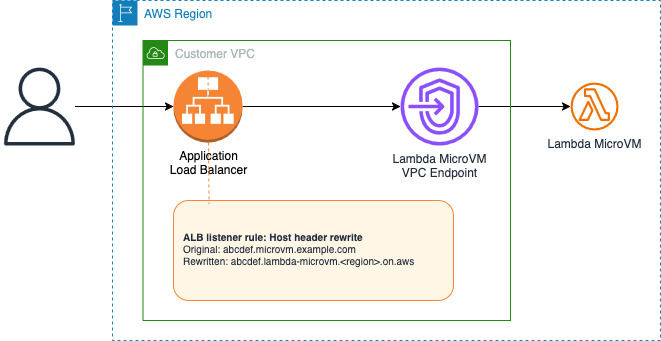
Many teams want to expose their AWS Lambda MicroVMs under a custom domain they own, and satisfy CORS for browser clients, without changing the application. This post shows how, using an Application Load Balancer that rewrites the Host header and forwards over AWS PrivateLink, deployed with the AWS CDK.
- Running self-hosted AI agent sandboxes with AWS Lambda MicroVMs
 by Brian Krygsman on September 18, 2026 at 3:10 pm
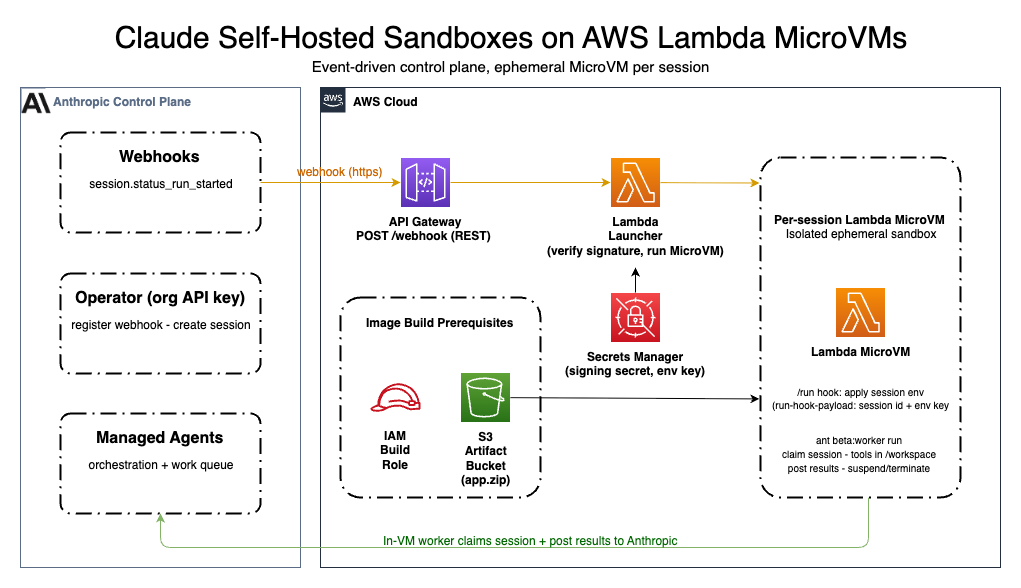
Learn how to run AI agent tool calls in secure, isolated sandboxes using AWS Lambda MicroVMs. This post shows how to architect a self-hosted control plane that launches a fresh, VM-isolated MicroVM for each agent session, keeping credentials, networking, and governance entirely within your own AWS account.
- Multi-modal autoscaling with Amazon EC2 Auto Scaling: adding signals for faster, more reliable scalingby Shubhendu Dubey on September 17, 2026 at 6:18 pm
Multi-modal autoscaling with Amazon EC2 Auto Scaling combines infrastructure metrics like CPU with application-level signals, so a group scales on the demand its users create. In this post, we show you how to implement it, with code samples and results from a controlled test.
- Deploying regulated workloads on AWS Local Zones and AWS Outposts
 by Brianna Rosentrater on September 17, 2026 at 5:29 pm
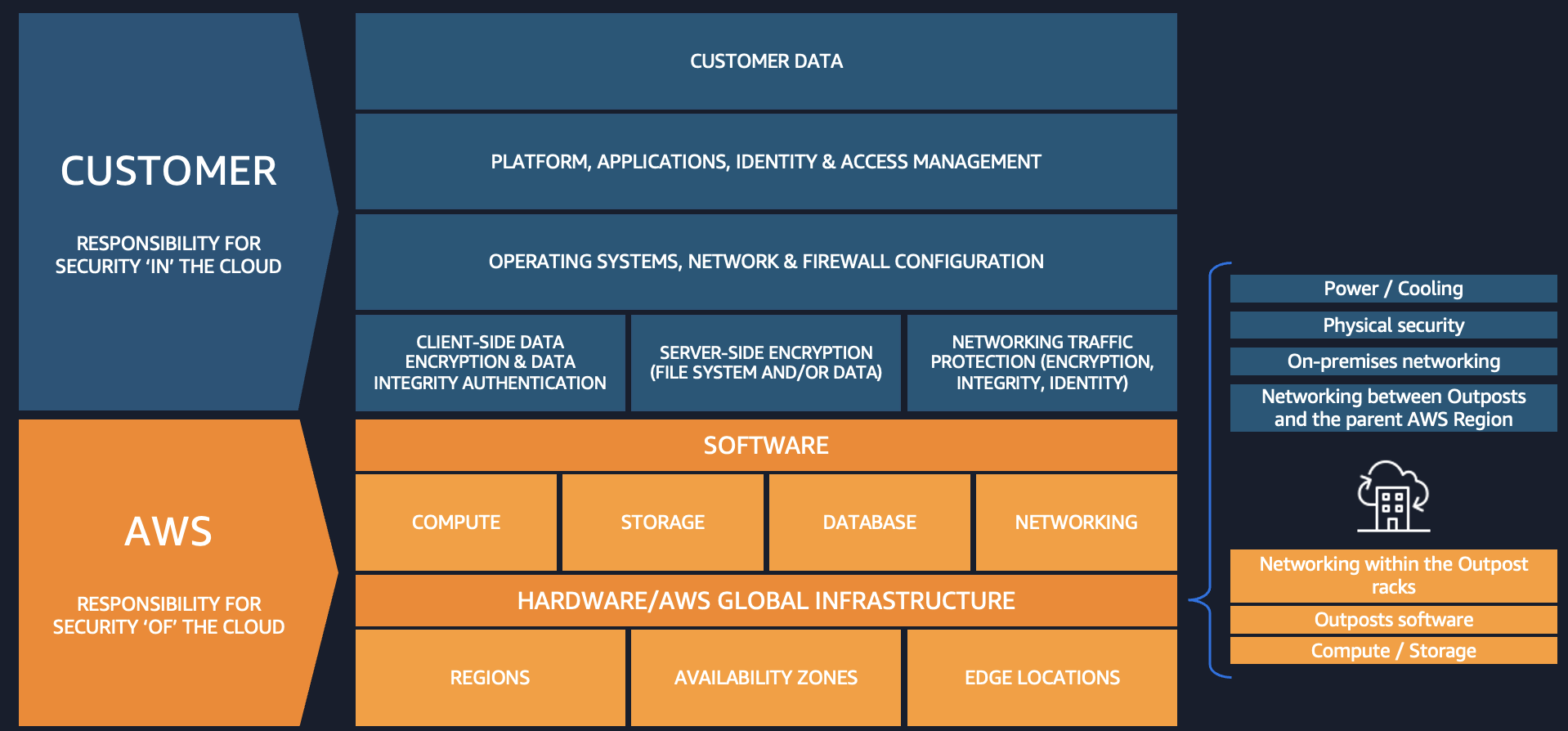
AWS Local Zones and AWS Outposts help you keep regulated workloads within specific geographic boundaries. This post presents a framework of technologies, including the AWS Nitro System, AWS Organizations SCPs with AWS Control Tower, and Amazon VPC Traffic Mirroring, to help you build auditable, secure architectures for data residency.
- Planning for disaster recovery using AWS Local Zones and AWS Outposts racks
 by Brianna Rosentrater on September 17, 2026 at 5:24 pm
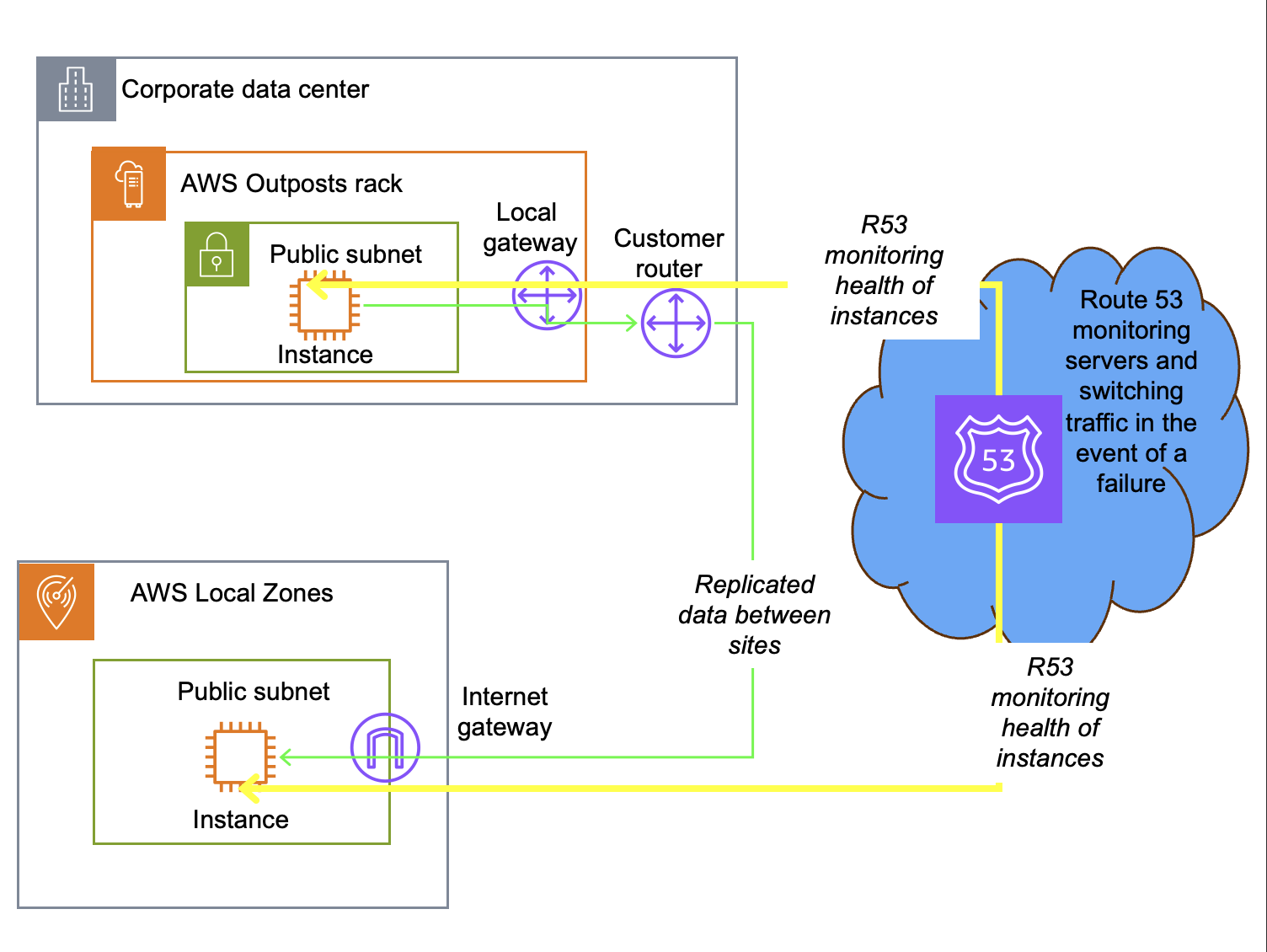
Build highly available architectures that span two AWS Outposts racks, or an Outpost rack and an AWS Local Zone, without single points of failure. This post covers three disaster recovery approaches: DNS-based failover, active/active load balancing, and hybrid database replication, with the RTO/RPO trade-offs of each.
- Validating multi-agent decisions with Step Functions and Bedrock AgentCore
 by Ben Freiberg on September 14, 2026 at 4:47 pm
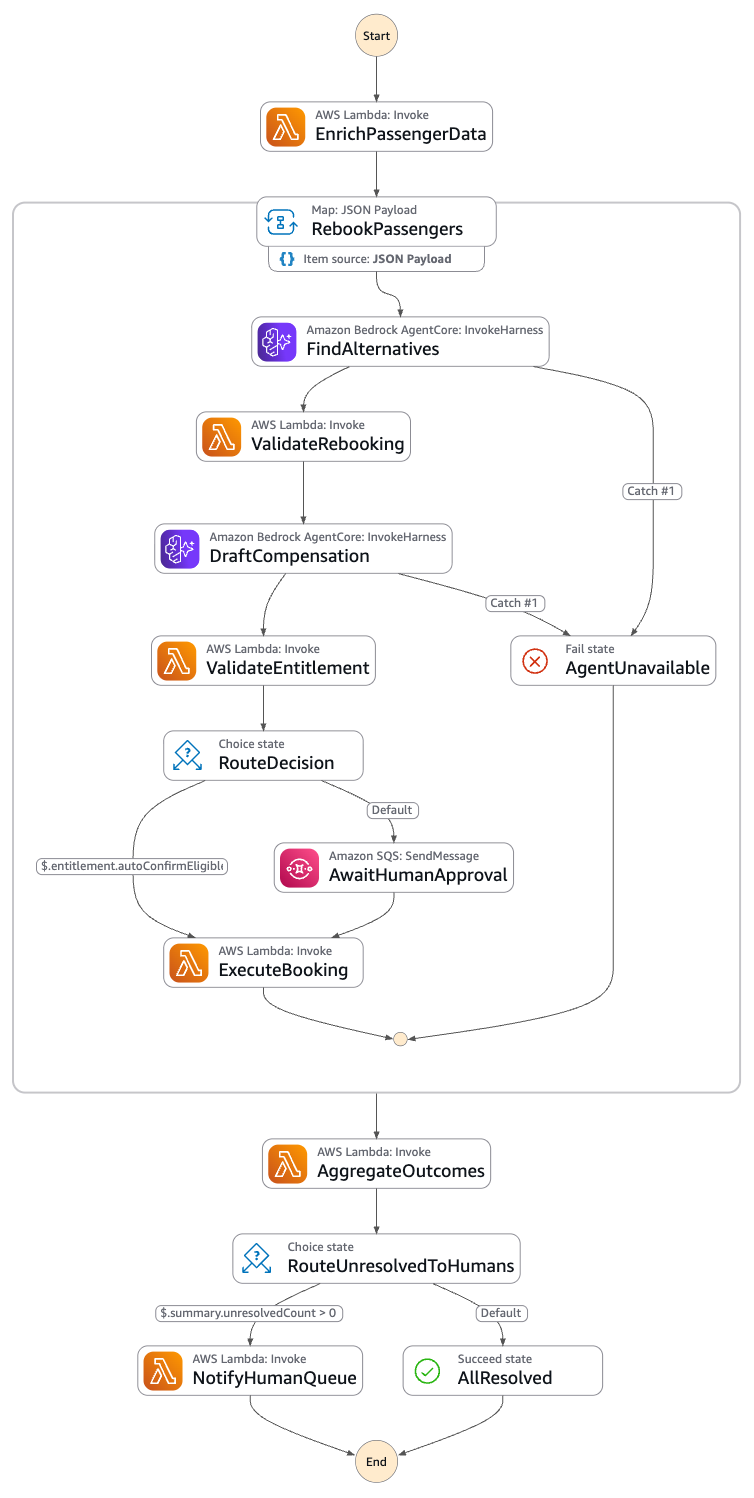
Orchestrating specialized Amazon Bedrock AgentCore agents with AWS Step Functions gives you the reasoning power of generative AI with the guardrails of deterministic validation. Agents propose options, and deterministic code validates them before any action is taken, demonstrated here with an airline rebooking workflow.
- Customize Amazon API Gateway destinations for execution logs
 by Giedrius Praspaliauskas on September 9, 2026 at 10:35 pm
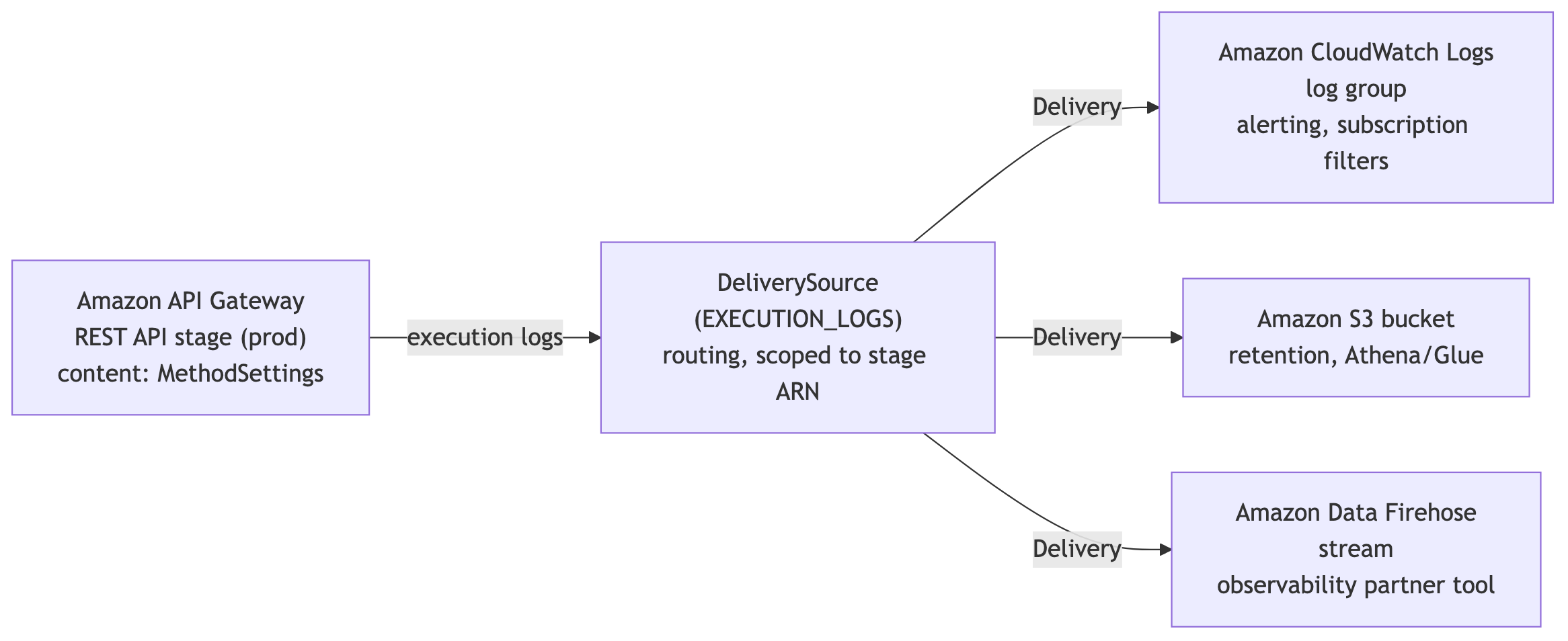
Amazon API Gateway execution logs help you trace request processing step by step through your REST API stages. They capture authorization results, integration latency, mapping template output, and error details that are otherwise invisible at the API surface. When a production request fails in a way the access log cannot explain, the execution log is
- Architecting SASE solutions using AWS Local Zones
 by Lakshmi VP on September 9, 2026 at 8:36 pm
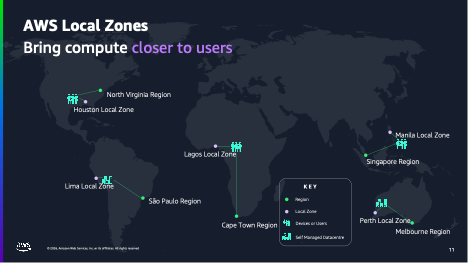
Organizations with geographically distributed workforces face a trade-off between security and low-latency access. This post explores how to use AWS Local Zones and Secure Access Service Edge (SASE) solutions to deploy virtual security appliances closer to end users, covering key design principles, capacity planning, and traffic routing.
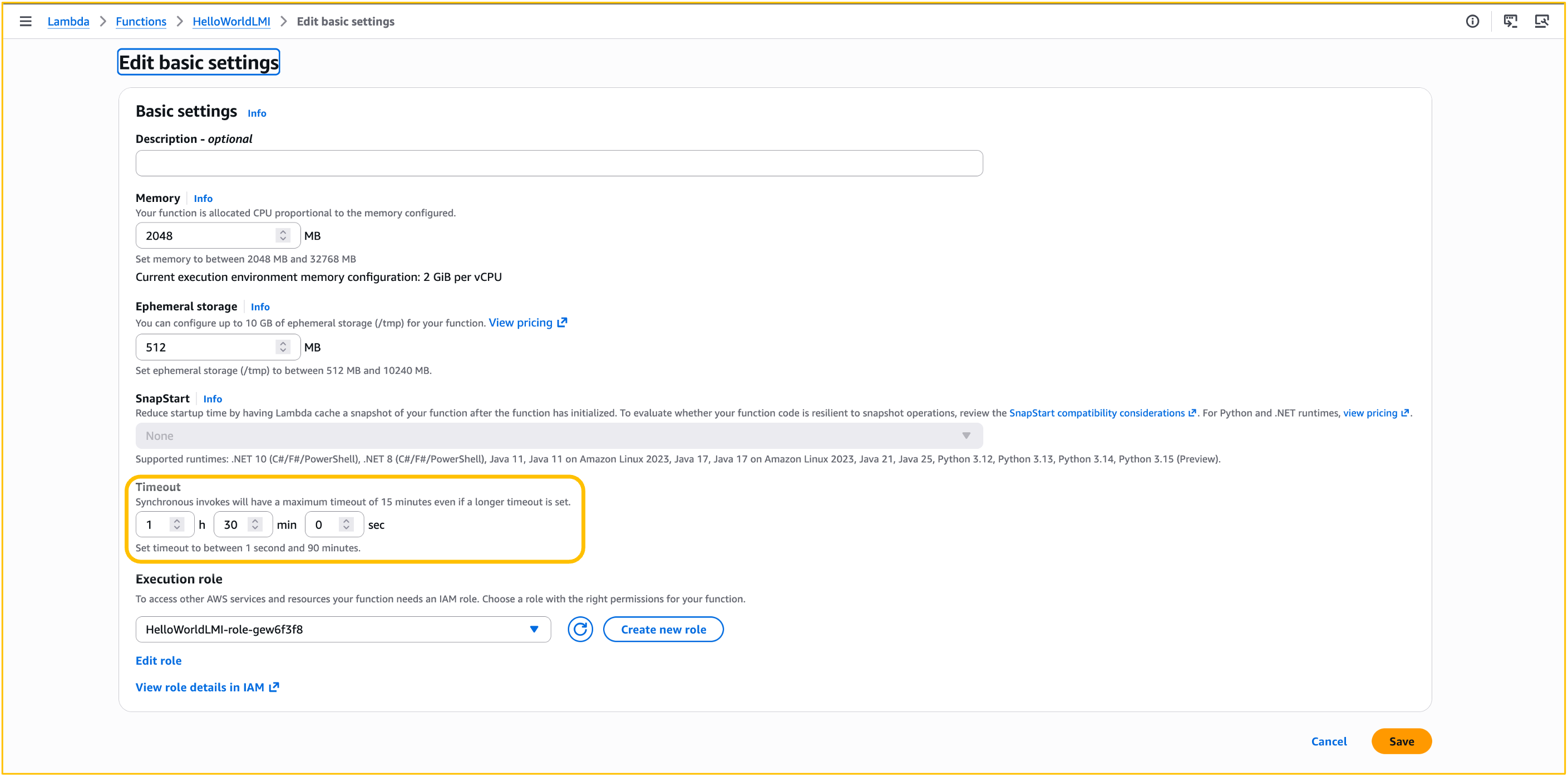
- Announcing 90-minute function timeout on AWS Lambda Managed Instances
 by Tarun Rai Madan on September 9, 2026 at 7:08 pm
AWS Lambda now supports a 90-minute function timeout for asynchronous and event source mapping (ESM) invocations on Lambda Managed Instances, a 6x increase from the previous 15-minute limit. Data processing, media transcoding, AI inference, and batch workloads can now run on Lambda without re-architecting.

AWS Compute
We are an ethical website cyber security team and we perform security assessments to protect our clients.