
- Synthetic data could ease people’s concerns about privacy breaches. But who gets to create it?
 by Maria Lucia Passador, Assistant Professor, Department of Law, Bocconi University on September 14, 2026 at 3:08 pm
Artificial data is possible – but comes with the risk of inbuilt bias..
- Australia is eyeing a world-first ‘fair and reasonable’ test for data collection and privacy
 by Rob Nicholls, Senior Research Associate in Media and Communications, University of Sydney on September 1, 2026 at 4:06 am
New rules on what companies can do with personal information include tighter consent requirements, a ‘right to be forgotten’, and a simple test for what’s OK.
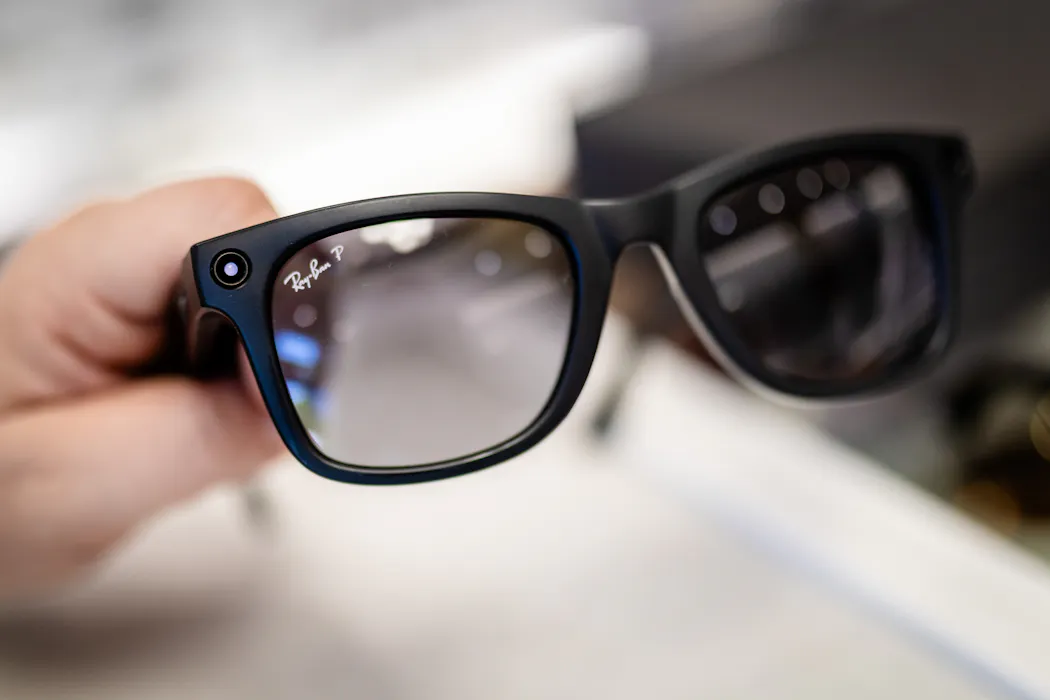
- Smart glasses make secret filming easier. What does NZ law actually protect you from?
 by Cassandra Mudgway, Senior Lecturer in Law, University of Canterbury on August 27, 2026 at 12:13 am
Cheap camera glasses make covert filming easier than ever. But NZ law may leave gaps when the resulting footage is sexualised or shared online.
- Insurers have a lot of data about us. Where do they get it, and how do they use it?
 by Fei Huang, Associate professor, UNSW on August 24, 2026 at 4:24 am
Your insurer could know a lot more than just what’s on your application form. It’s worth understanding where this information comes from and how it can be used.
- WA police is using live facial recognition to make arrests. This trial is testing privacy law
 by Nicola Lockhart, Lecturer and Course Coordinator – Counter Terrorism, Intelligence & Security Science, Edith Cowan University on August 12, 2026 at 8:10 pm
Who gets to authorise such deployments? And who checks the safeguards?
- Smart glasses are going mainstream. Do current privacy laws protect us from the risks?
 by Kimberlee Weatherall, Professor of Law, University of Sydney on August 7, 2026 at 2:16 am
It isn’t obvious anymore whether someone is wearing a high-tech computer on their face.
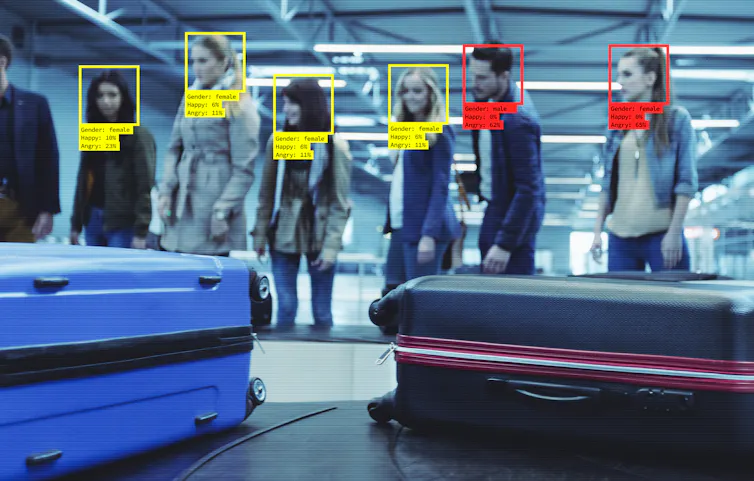
- Sports venues are offering facial recognition to let people in. What are the risks?
 by Adam Andreotta, Lecturer, School of Management and Marketing, Curtin University on July 31, 2026 at 12:36 am
When consumers provide consent for recording their facial data, they must fully know what they’re consenting to.
- Did Cape Town’s gunshot detection system work? Why jury is still out on what ShotSpotter achieved
 by Grant Oosterwyk, Senior Lecturer, University of Cape Town on July 30, 2026 at 2:45 pm
The issue is not whether cities should use technology for public safety, but how those technologies are chosen, evaluated and governed.
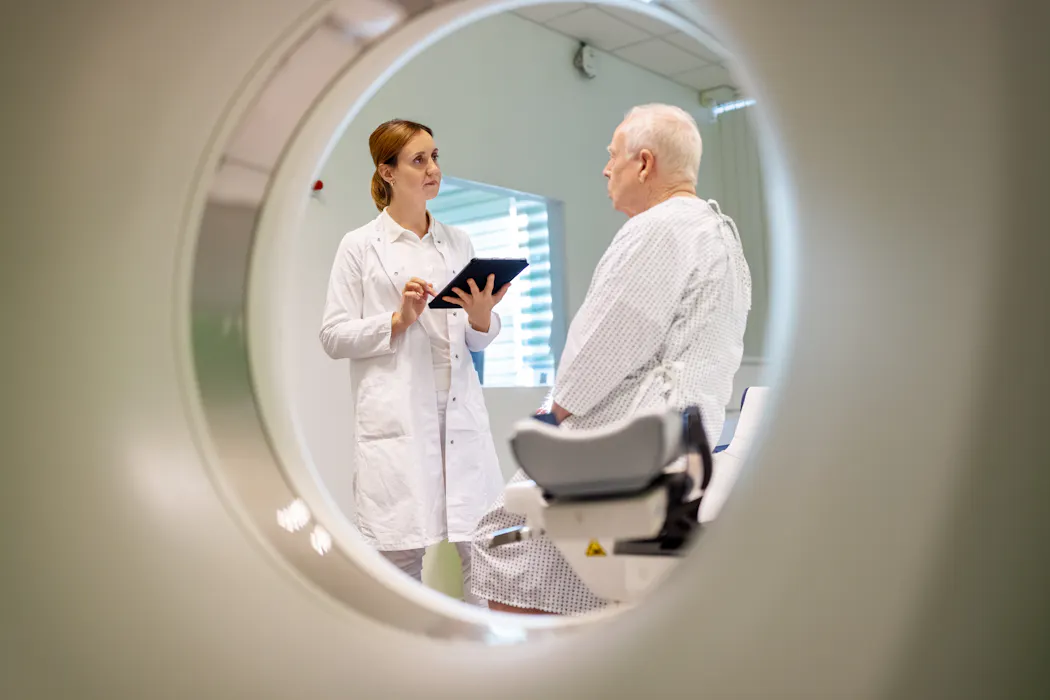
- AI in healthcare is an evolving landscape of new technologies, productivity benefits and legal uncertainties
 by Jodyn Platt, Associate Professor of Learning Health Sciences, Medical School Associate; Professor of Health Management and Policy, School of Public Health, University of Michigan on July 29, 2026 at 12:16 pm
A standardized framework for regulating the safety and efficacy of AI in healthcare has yet to be established.
- Want to break free from big tech? ‘Self-hosting’ could be the answer
 by Nikolai Hampton, School of Science, Edith Cowan University on July 27, 2026 at 8:08 pm
Self-hosting is a general catch-all term for taking control of your own data. It comes in many flavours.
- NZ’s floated social media ban for under-16s could unite two groups that rarely agree
 by Alex Beattie, Senior Lecturer, Information Management, Te Herenga Waka — Victoria University of Wellington on July 15, 2026 at 1:54 am
Support for banning social media among under-16s is growing. But a closer look reveals complex questions over privacy and digital inclusion.
- Who has access to my bank details? What protections are in place to prevent misuse?
 by Adam G. Arian, Lecturer Accounting & Finance, Australian Catholic University on July 2, 2026 at 7:31 pm
While alarming, incidents involving alleged unauthorised or inappropriate access can actually be a sign that safeguards to protect our data are working.
- AI in nature conservation: powerful tool or dangerous shortcut?
 by Jeran Cloete, PhD Candidate in Conservation Ecology and Entomology, Stellenbosch University on June 9, 2026 at 1:24 pm
The use of artificial intelligence tools is among the top emerging issues in biodiversity conservation.
- Are our cars spying on us? A cybersecurity expert explains how to stay safe
 by Dennis B. Desmond, Lecturer, Cyberintelligence and Cybercrime Investigations, University of the Sunshine Coast on June 1, 2026 at 2:47 am
Australia’s spy agency has issued a stark warning about the privacy and national security risks of ‘connected cars’.
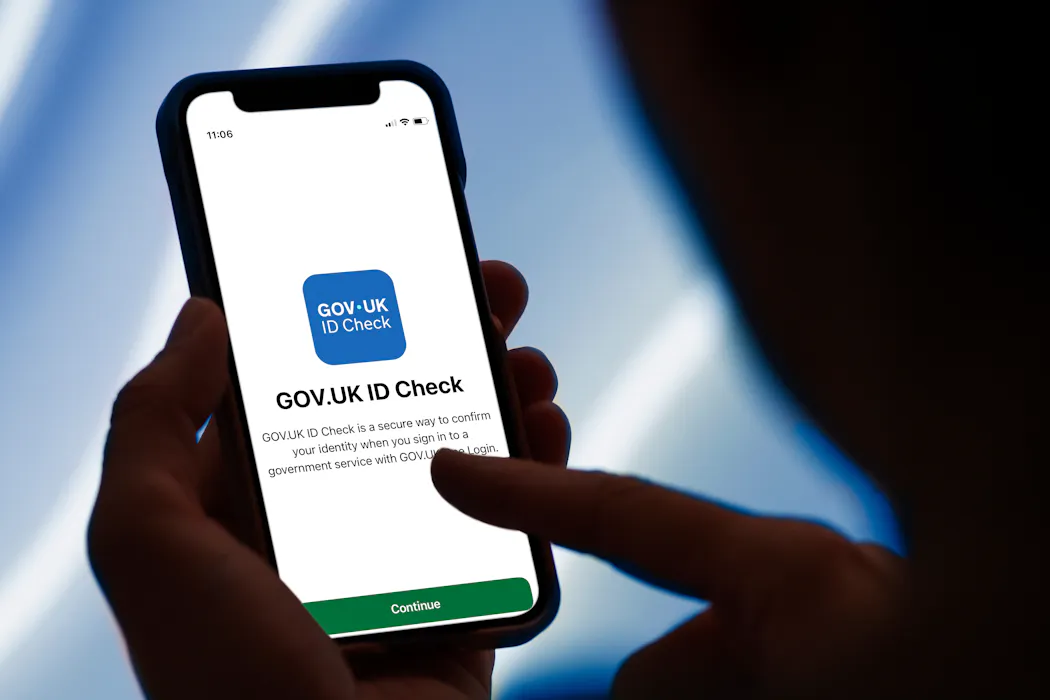
- Why digital IDs are back on the UK government’s agenda
 by Tim Holmes, Senior Lecturer in Criminology and Policing, Bangor University on May 20, 2026 at 10:51 am
The government says digital IDs will modernise services. Critics fear exclusion and creeping surveillance.
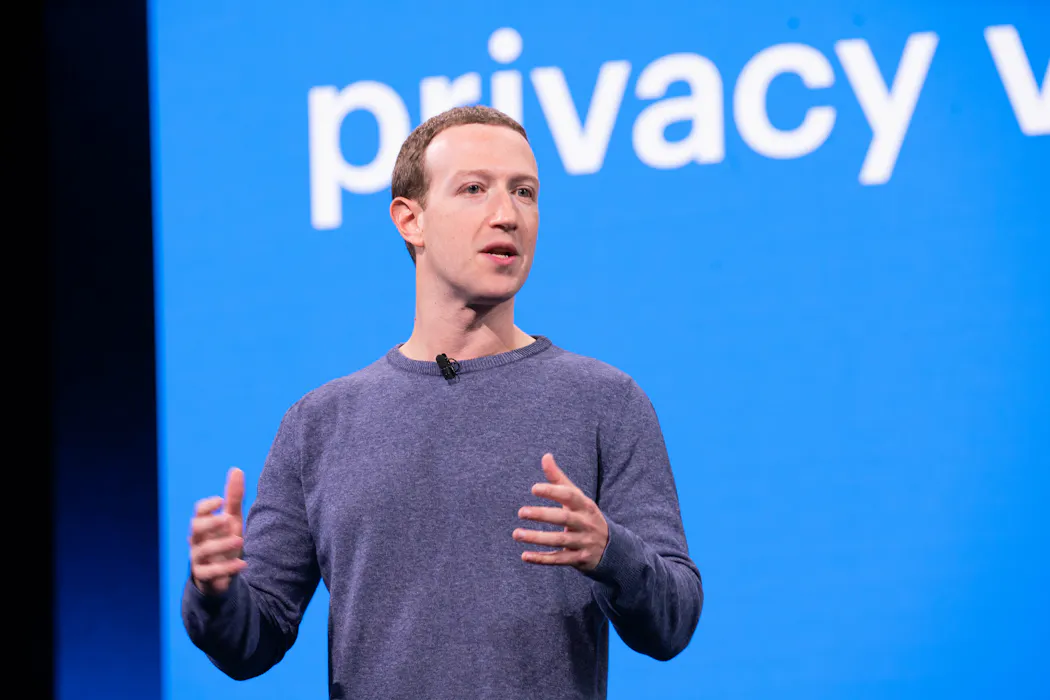
- Instagram can now read all users’ private messages. Will this make kids safer or just boost ad targeting?
 by Joel Scanlan, Adjunct Associate Professor, School of Law; Academic Co-Lead, CSAM Deterrence Centre, University of Tasmania on May 11, 2026 at 2:03 am
This shift is a clear reversal of Meta’s privacy-first posture, which Mark Zuckerberg announced back in 2019.
- Police equipment can be tracked via Bluetooth. What about your phone, watch and headphones?
 by Paul Haskell-Dowland, Professor of Cyber Security Practice, Edith Cowan University on May 4, 2026 at 5:31 am
Unless you go completely offline, you cannot completely eliminate the risk of being tracked.
- Tapping your genome with AI and quantum computing could deliver on the promise of personalized medicine – but practical and ethical hurdles remain
 by Gary Skuse, Professor of Bioinformatics, Rochester Institute of Technology on April 28, 2026 at 12:25 pm
Combining AI with quantum computing could enable doctors and researchers to analyze the human body at an unprecedented molecular level, unlocking breakthroughs in personalized medicine. Yet significant quantum technology hurdles remain before this vision becomes reality.
- Landmark privacy determination puts rent tech platforms on notice. But renters remain vulnerable
 by Lina Przhedetsky, Postdoctoral Research Fellow, Melbourne Law School, University of Melbourne and ARC Centre of Excellence for Automated Decision-Making and Society, The University of Melbourne on April 24, 2026 at 4:33 am
The Privacy Commissioner’s decision is important for protecting renters’ rights. It must be matched with legal reform.
- Does ‘federated unlearning’ in AI improve data privacy, or create a new cybersecurity risk?
 by Abbas Yazdinejad, Assistant Professor, Department of Computer Science, University of Regina on April 13, 2026 at 1:02 pm
As governments push for stronger data rights like the “right to be forgotten,” evidence suggests AI may not fully comply, raising new regulatory challenges.
- How our research led to a privacy complaint that pushed the World Anti‑Doping Agency to change its rules
 by Marcus Mazzucco, Adjunct Lecturer in Sports Law, University of Toronto on April 9, 2026 at 2:46 pm
International sport organizations must stop ignoring athletes’ data protection rights when regulating sport, including eligibility in the women’s category
- Could NZ’s next Christchurch Call be a push for fairer, safer AI?
 by Andrew Lensen, Senior Lecturer in Artificial Intelligence, Te Herenga Waka — Victoria University of Wellington on April 6, 2026 at 6:20 pm
Kiwis are using artificial intelligence in growing numbers, but trust is low. Could the push toward safer, more responsible AI offer NZ an economic opportunity?
- Cameras have quietly appeared in thousands of US cities – now, their integration with AI is sounding alarms
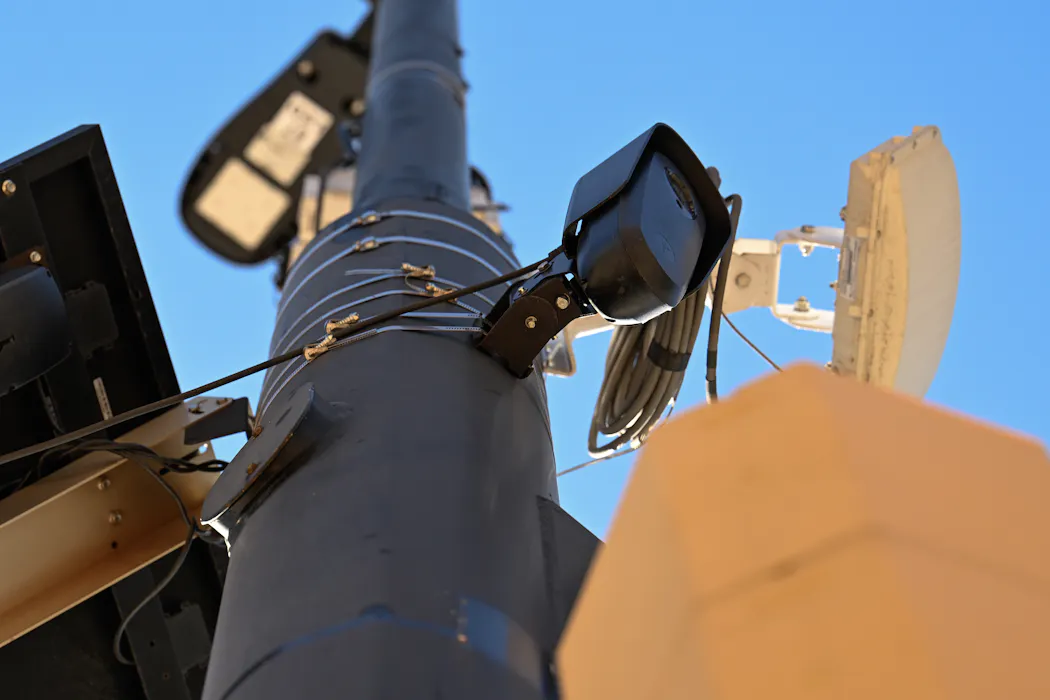 by Jess Reia, Assistant Professor of Data Science, University of Virginia on March 27, 2026 at 12:25 pm
What began as a tool to identify threats to national security is becoming a surveillance infrastructure that can be used to track everyone.
- Will a new border deal with the US open a backdoor into Kiwis’ personal data?
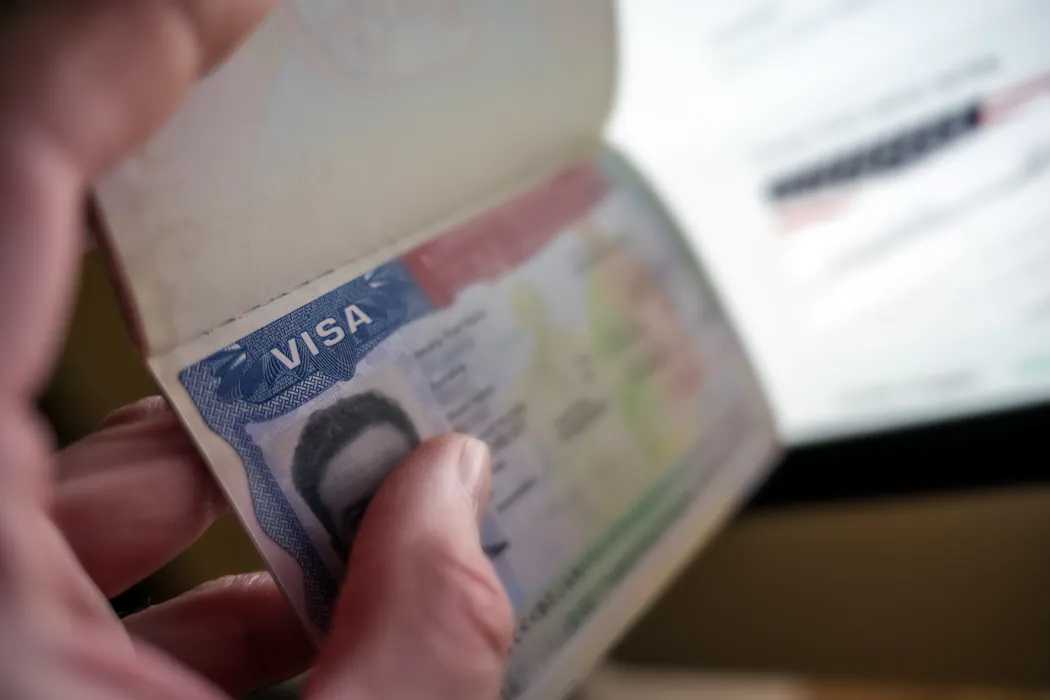 by Gehan Gunasekara, Professor of Commercial Law, University of Auckland, Waipapa Taumata Rau on March 26, 2026 at 11:09 pm
New US requirements for visa-free travel could involve sharing large amounts of biometric and law enforcement data, prompting concerns about privacy.
- Canada’s new TikTok compromise fails to resolve questions of ownership and national security
 by Philip Mai, Co-director and Senior Researcher, Social Media Lab, Toronto Metropolitan University on March 24, 2026 at 5:28 pm
TikTok deal with Canada leaves critical gaps in ownership, data movement and security safeguards
Privacy



We are an ethical website cyber security team and we perform security assessments to protect our clients.