

MIT News Artificial Intelligence MIT news feed about Artificial intelligence
MIT News – Artificial intelligence MIT news feed about: Artificial intelligence
- Fostering community amid Kendall Square’s innovation
 by Zach Winn | MIT News on October 16, 2026 at 4:00 pm
The 18th annual Kendall Square Association Annual Meeting explored how new technologies could be a force for shared prosperity in society.
- State of Supply Chain Sustainability Report finds corporate commitment at record high, but governance lags behind
 by Mackenzie Berry | MIT Center for Transportation and Logistics on October 15, 2026 at 9:00 pm
MIT’s Center for Transportation and Logistics finds sustainability commitments are strong, but governance gaps and external disruptions prevent execution.
- AI model decodes the language cells use to communicate
 by Shafaq Zia | Whitehead Institute on October 15, 2026 at 8:50 pm
A new computational approach reveals how cells communicate to assemble into tissues. This could accelerate stem cell engineering, improve disease models, and inform therapies.
- Q&A: The “collision” between AI, your brain, and society
 by Peter Dizikes | MIT News on October 15, 2026 at 4:00 am
In a new book, Professor Eric So explores how the technology affects our thinking skills.
- Researchers improve weather forecasts looking two to six weeks out
 by Zach Winn | MIT News on October 14, 2026 at 3:00 pm
A new machine-learning approach broke records for weather forecasting for an important time frame in emergency planning.
- How artificial neural networks build their own learning machinery
 by Jennifer Michalowski | McGovern Institute for Brain Research on October 13, 2026 at 9:00 pm
Machine-learning networks can learn without detailed instructions from a designer. Those that do may offer insight into how the brain reorganizes itself during learning.
- MIT Lincoln Laboratory hosts National Security Commission on Emerging Biotechnology
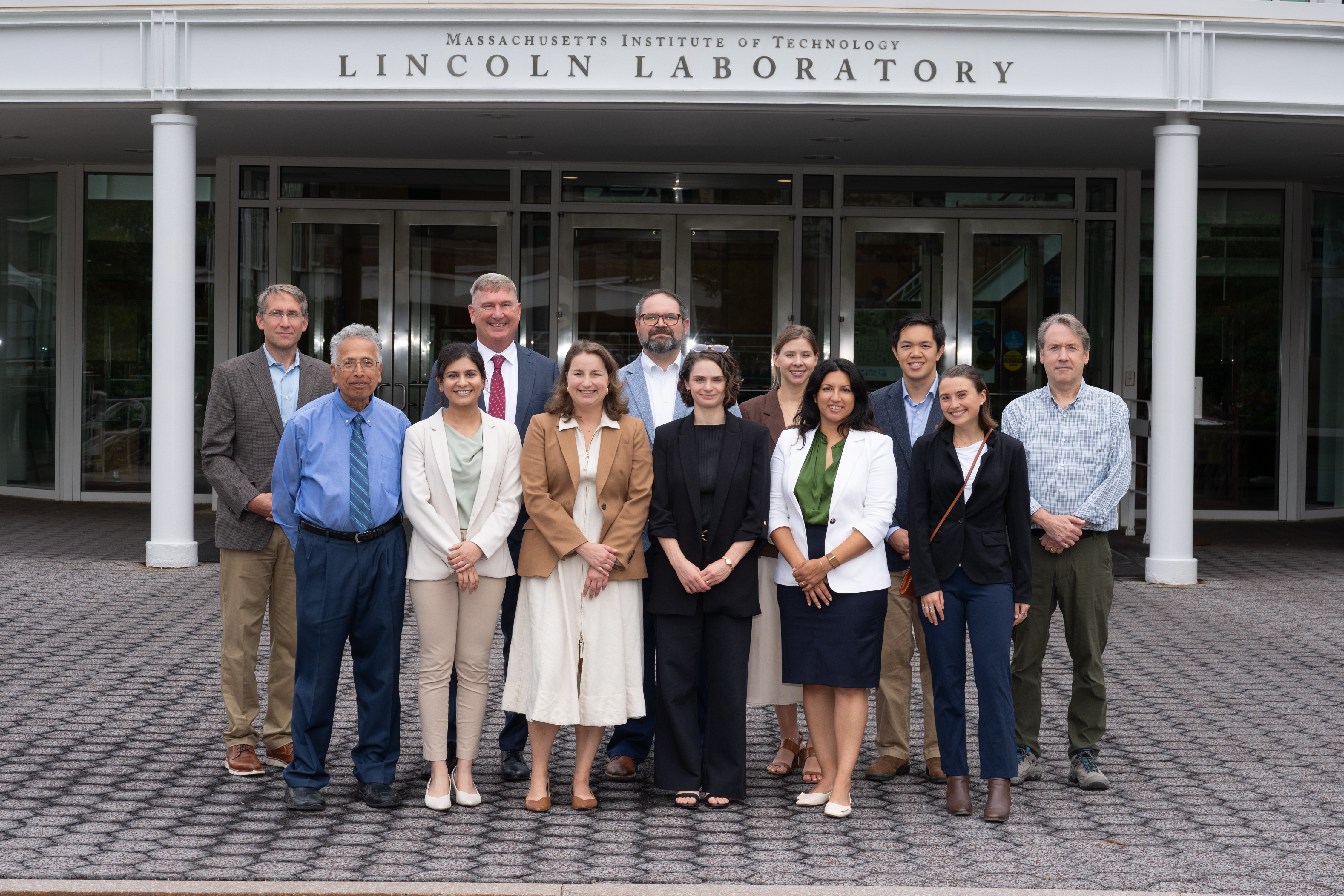 by Kylie Foy | MIT Lincoln Laboratory on October 13, 2026 at 8:40 pm
Roadshow event highlights Massachusetts’ defense-biotechnology ecosystem.
- Q&A: Building accountability behind our words — and AI’s — in civic conversations
 by Peter Dizikes | MIT News on October 13, 2026 at 4:00 am
Professor Deb Roy contends there should be someone who is “answerable” for every piece of text in public life, no matter its origins.
- 3 Questions: What is the best path forward for AI in academia?
 by Stefanie Koperniak | Institute for Data, Systems, and Society on October 8, 2026 at 9:25 pm
MIT Statistics and Data Science Center Director Alexander (Sasha) Rakhlin shares important considerations for departments and institutions.
- Using AI to mitigate the growing environmental threat of data centers
 by Adam Zewe | MIT News on October 8, 2026 at 4:00 am
By rethinking how large cloud computing systems operate, Associate Professor Christina Delimitrou seeks to make data centers more energy efficient.
- Discovering the value of humanistic inquiry
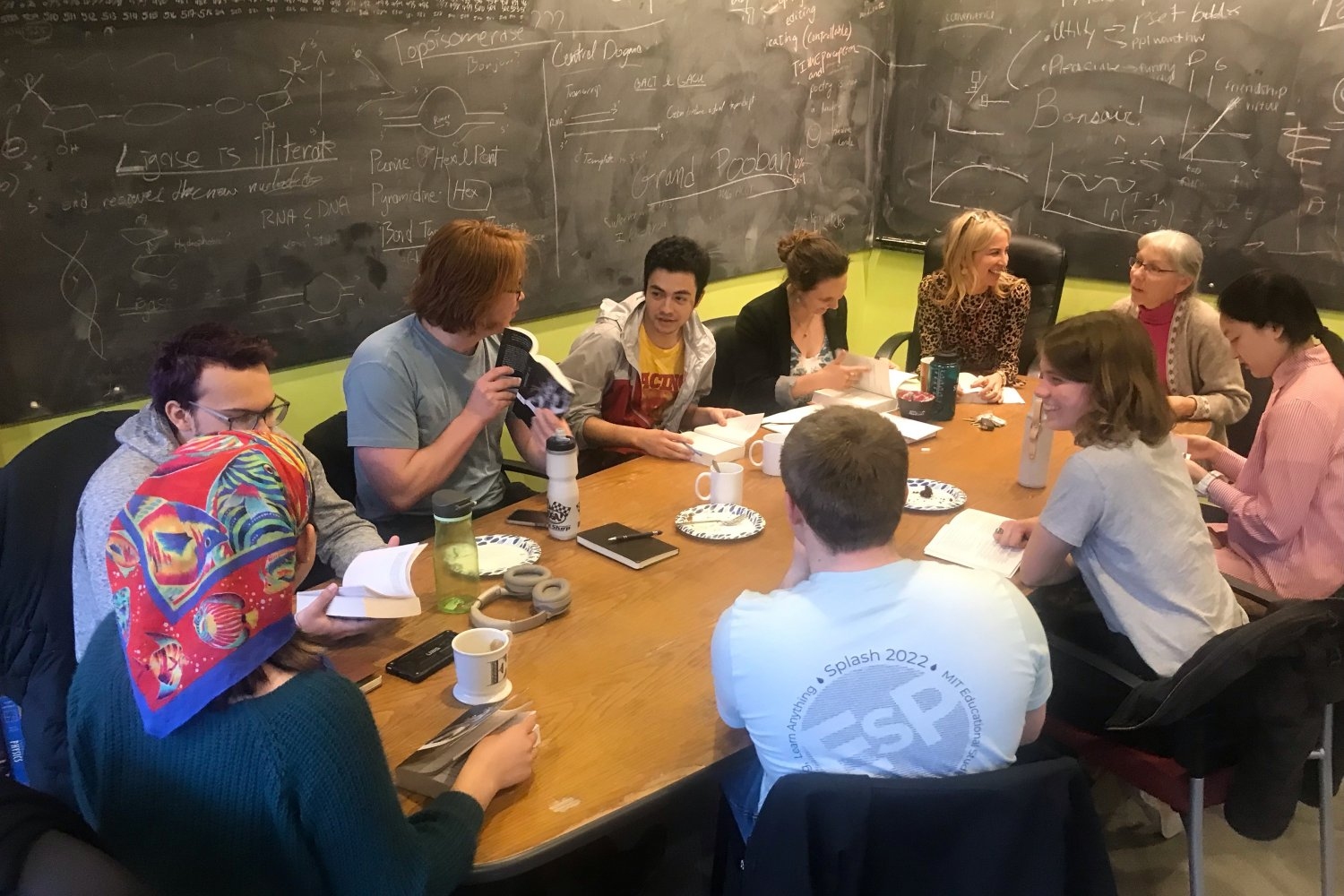 by Elizabeth Durant | Division of Graduate and Undergraduate Education on October 7, 2026 at 8:10 pm
Students in MIT’s Concourse program delve deeply into the human condition, debate challenging questions, and learn to develop judgment about issues that can’t be quantified.
- Supercomputing researchers document evolution of AI hardware
 by Haley Wahl | MIT Lincoln Laboratory on October 6, 2026 at 8:55 pm
An ongoing survey tracks the latest AI accelerator systems to keep hardware relevant for Lincoln Laboratory staff and sponsors.
- Chris Bourg named vice provost and Barbara K. Ostrom (1978) Director of the MIT Libraries
 by Office of the Provost on October 6, 2026 at 5:00 pm
As director, Bourg has focused on digital access, open and equitable scholarly publishing, and expanded support for data-intensive research.
- MIT announces the MIT for America initiative, to strengthen STEM education across the country
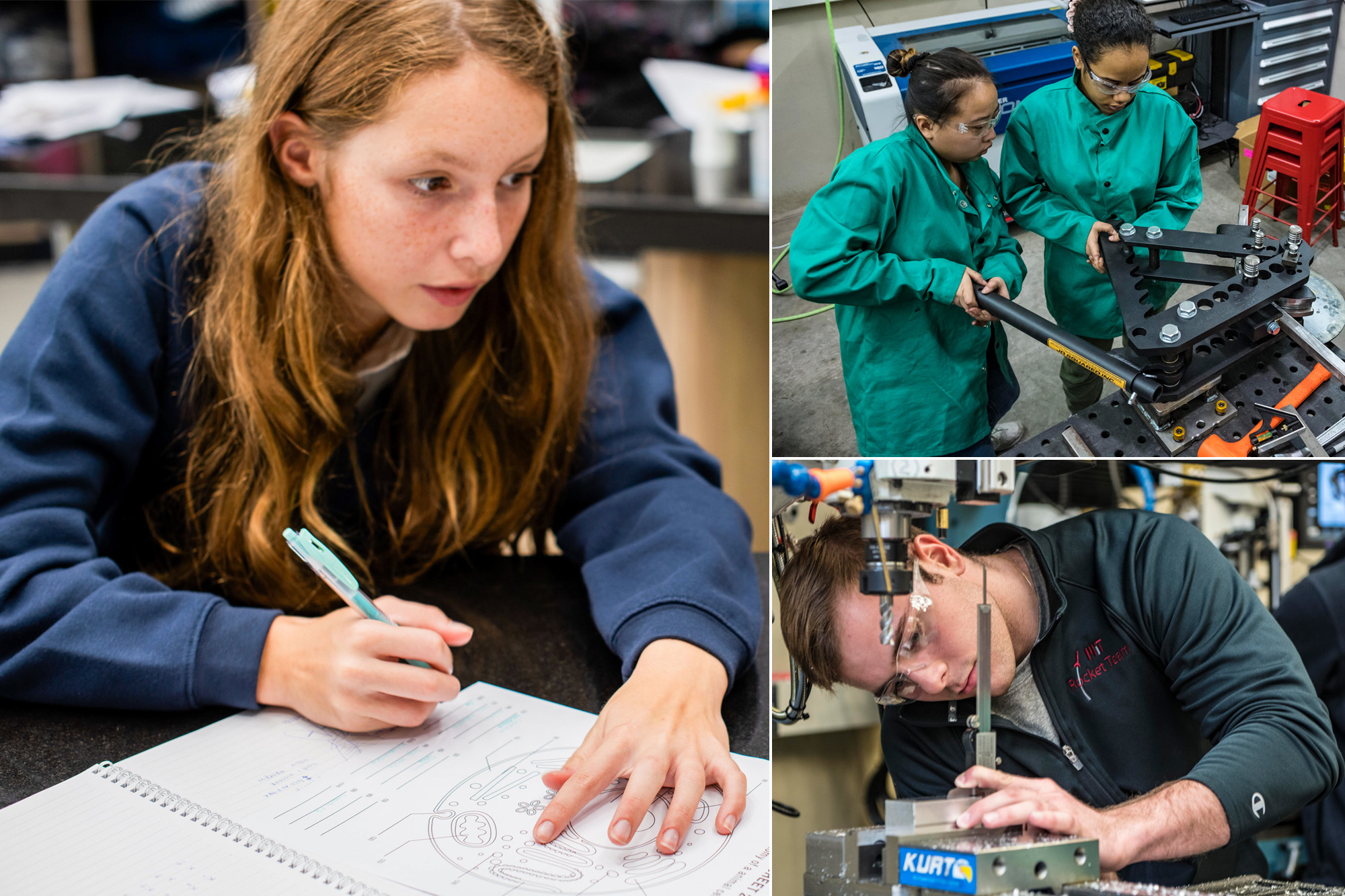 by Peter Dizikes | MIT News on October 6, 2026 at 3:00 pm
The effort aims to help U.S. learners from kindergarten to community college, with an emphasis on math, making, and the constructive use of AI.
- Computational tools for society’s most complex challenges
 by Michaela Jarvis | MIT Laboratory for Information and Decision Systems on October 2, 2026 at 7:30 pm
Associate Professor Cathy Wu uses reinforcement learning to help map out improvements to transportation and other multifaceted systems.
- Documenting the tech worker movement
 by Maria Iacobo | School of Architecture and Planning on October 2, 2026 at 5:00 pm
Writing as a participant and researcher, PhD student JS Tan SM ’22 has co-authored a new book about the rise of tech worker protests and the employer backlash that followed.
- 3 Questions: A new resource to empower young entrepreneurs
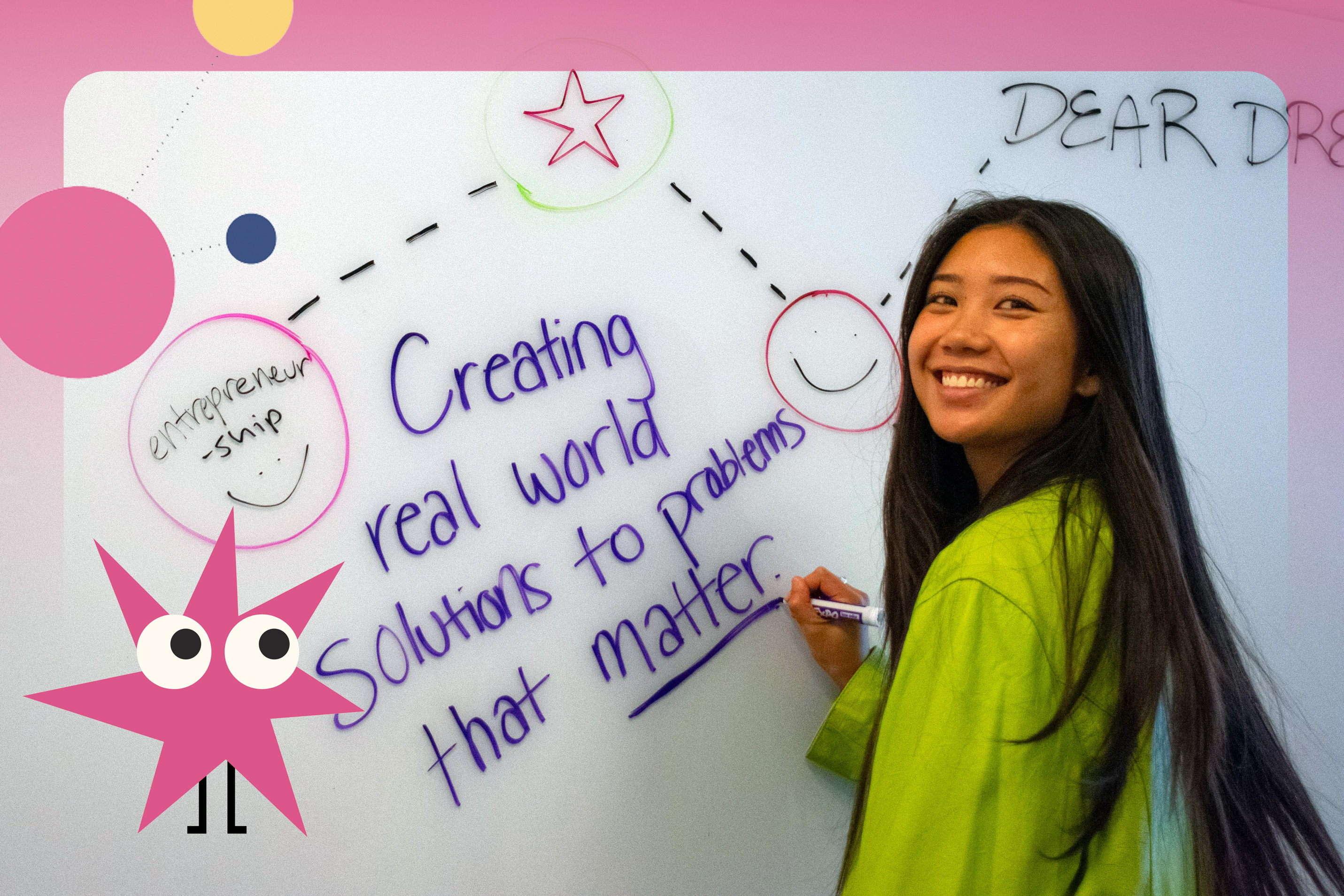 by Zach Winn | MIT News on October 2, 2026 at 4:00 am
Martin Trust Center Managing Director Bill Aulet introduces Dear Dreamer, a free platform for middle and high school students who want to learn about entrepreneurship.
- New tool lets users repair AI-generated 3D models, then fabricate them just the way they want
 by Alex Shipps | MIT CSAIL on October 1, 2026 at 10:00 pm
“InstructMesh” can generate designs for everyday objects that are easy to edit and fabricate for both experts and newcomers to 3D modeling.
- MIT Transit Lab to develop an AI platform for public transit agencies
 by Denise Brehm | Department of Urban Studies and Planning on September 30, 2026 at 3:15 pm
With $2.1 million funding from Google.org, the open-source Public Transit Intelligence Hub will unify public transit monitoring, operations, and passenger communication.
- This game-playing AI is the new champ at Stratego
 by Adam Zewe | MIT News on September 30, 2026 at 3:00 pm
Able to defeat top-ranked human players and more efficient than other models, the new system could help decision-makers in military maneuvers or business negotiations.